Summarize This Article with AI


Think back to TikTok’s early days – spontaneous, messy, powered by people filming whatever made them laugh that week. Fast-forward to 2026, and the vibe has changed. The culture is still wild and creative, but under the hood, the machinery is turning sci-fi. TikTok isn’t just giving creators filters or music anymore; it’s baking AI directly into the production process.
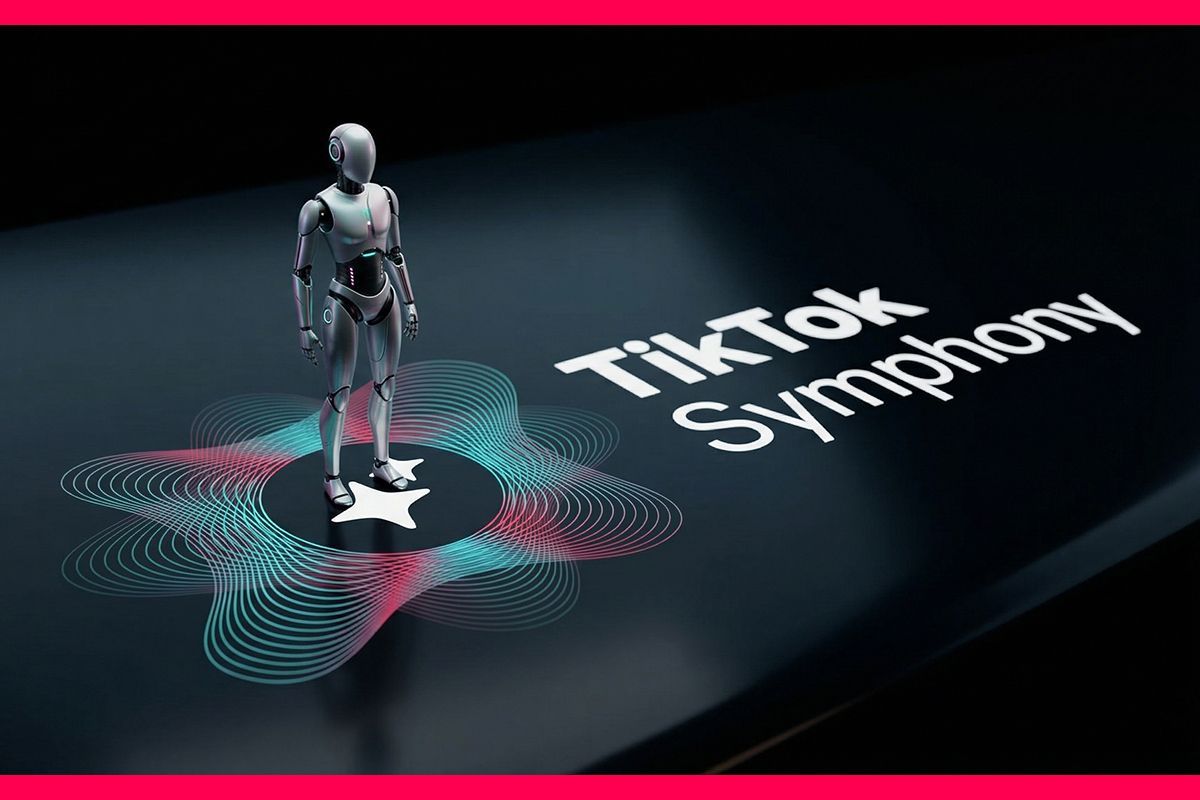
The company rolled out its most ambitious tools yet at last year’s Creator Summit, folding idea generation, editing, and monetization into an intelligent toolkit called Symphony AI. For a platform with hundreds of millions of uploads a day, this is no cosmetic tweak; it’s an attempt to redesign content creation itself, so anyone with a phone can work like a studio.
As TikTok’s global head of creative and brand ads, Andy Yang, explained during the launch, the platform’s direction is clear: “Our AI innovation makes that process smoother, so creators can focus on ideas.”
The goal isn’t to replace the creator but to eliminate as much technical friction as possible. After years of incremental feature updates, 2026 is the moment TikTok moves from “a platform where content happens” to “the infrastructure behind how modern creators work.”
Smart Split: One Long Video, a Dozen Shorts
Of all the announcements from last autumn, Smart Split grabbed immediate attention because it solves a universal creator pain point, the relentless time suck of editing. The tool takes longer horizontal clips or hour-long shows and automatically spots high-engagement moments. It then trims them into snackable, TikTok-length segments, reframes footage vertically, adds captions, and polishes transcription, all inside TikTok Studio Web.
Podcast producers, online teachers, live-streamers, and gamers can turn a single full-length piece into dozens of optimized posts within minutes. The “repurpose revolution” that used to require Adobe Premiere, manual reframing, and subtitling workflows is now effectively a one-click function.
Rival platforms have tiptoed into the same idea: YouTube Shorts recently experimented with an auto-clipper. TikTok’s difference is seamless integration: it’s built natively into the platform’s studio, giving small creators access to the kind of automation big social agencies use daily.
That’s not a niche feature; it’s industrial leverage. When your audience might be 900 million people, an auto-edited video factory is a cultural amplifier.
The Built-In AI Editor: CapCut Grows Up
Editing used to be the chokepoint of the creator economy. With every new tool that ships, that bottleneck shrinks. TikTok’s current in-app suite, powered partly through CapCut’s AI core, handles tasks once reserved for post-production pros:
- Automatic background removal
- Auto-captions in dozens of languages
- Face and object tracking
- Realistic green-screen-free scene replacement
- Generative lighting and effect suggestions
The difference now is speed. Each of those capabilities operates in the cloud and appears inside the same dashboard creators already use for posting, scheduling, and analytics. That collapse of steps matters; historically, independent creators bounced across editing apps before a single upload. Now, all roads lead inward, into TikTok Studio’s expanding hub.
Industry analysts suggest the platform now leads in AI editing depth across social apps. The power of tight integration is evident: for creators trying to keep pace with trend cycles that can rise and die within a day, even an hour saved is priceless.
Smart+ Ads and Subscriptions: Monetization Goes Machine Learning
TikTok’s AI story doesn’t stop at creation; it’s quietly reinventing how money flows through the platform. The first move is a richer creator subscription model. Eligible creators, generally those with 10K+ followers, 100K+ views over the previous month, and steady posting, can now retain up to 90 percent of their subscription revenue if engagement thresholds are met. It’s TikTok’s bid to mature the fan-support economy that Patreon helped popularize.
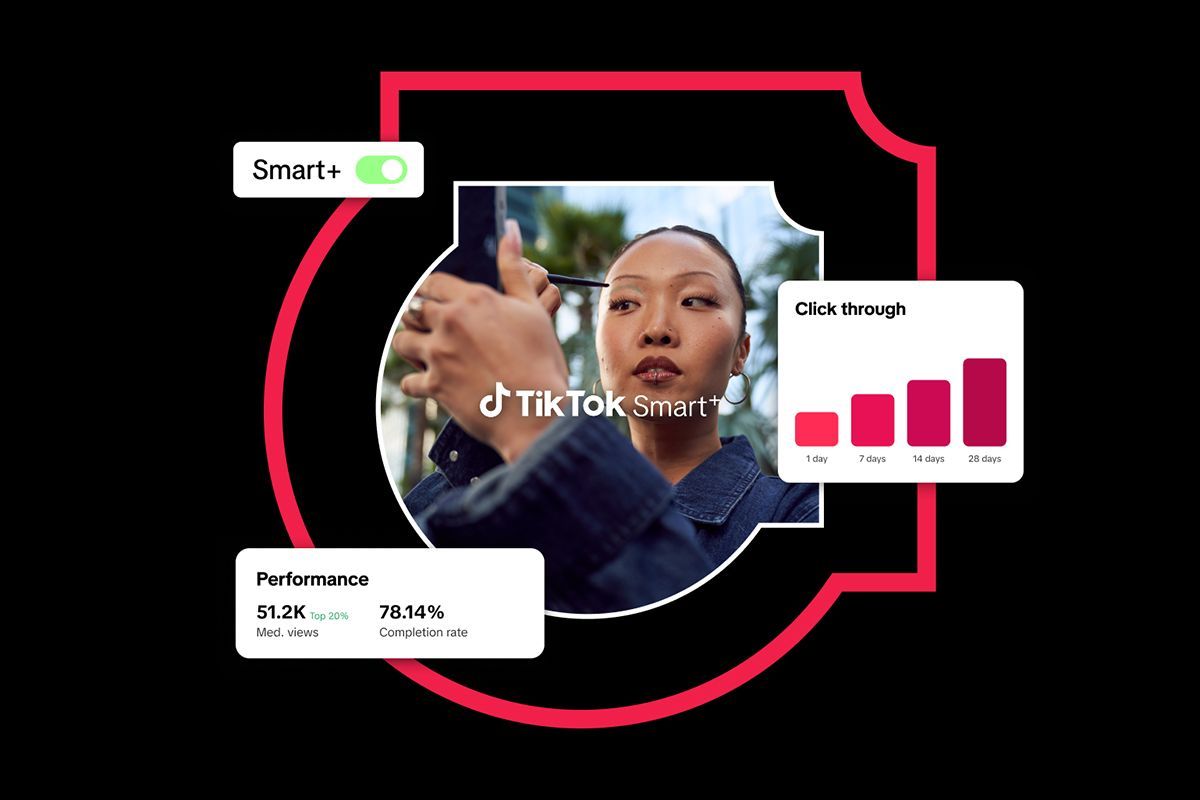
For advertisers, AI tools extend into Smart+ Ad Campaigns, where marketing managers define an objective, brand awareness, installs, conversions, and the AI auto-generates creatives, fine-tunes targeting, adjusts budgets and timings, then feeds real-time analytics back to dashboards.
It’s the same logic that drives Meta’s Advantage+ or Google’s Performance Max systems: marketers describe a goal; machine intelligence figures out execution. TikTok, however, links this to native short-form styles. Smart+ creates vertical ad variations modeled after trending creator content, bridging entertainment and advertising in a way only TikTok really can.
Olivia Moore, Venture Capital Partner at a16z, sees longer-term disruption ahead: “This may be the future of brands, marketing, and even entertainment,” she said. For big companies, that translates into agile, rapid creative turnaround. For freelancers, it signals that the new era of ad-enabled monetization may be algorithmic, not agency-driven.
Platform Rivalries: The AI Arm-Wrestle for Creators
These developments are part of a fierce arms race. YouTube, and even emerging platforms like Lemon8 all chase the same finite pool of talented short-form storytellers. But while everyone is adding scattered AI add‑ons, text effects, stickers, smart thumbnails, TikTok’s differentiator is the completeness of its AI ecosystem.
Its creator pipeline already covers idea → script → edit → publish → monetize within one unified flow. That loop drastically lowers production friction and offers what many see as TikTok’s “unfair advantage.” YouTube’s Shorts Editor recently added auto-sound matching and multitrack AI music suggestions, but those are still patch-style updates.
Scroll your For You feed for ten minutes, and you’ll already see, AI touches almost everything now. Internal numbers suggest about half of TikTok videos use some AI effect, captioning tool, or automated cut.
The people driving that surge aren’t big-name influencers; they’re the nano creators, the quiet 88 percent building tight circles around recipes, fandoms, street fashion, or regional slang. Give that creative army sharper AI tools, and TikTok’s momentum effectively scales itself.
Transparency, Discovery, and Emerging Tools
With automation on the rise, trust and visibility have to keep up. TikTok has introduced several smaller but significant updates under its “Responsible AI” rollout:
- AI Alive, a creative mini-tool turning static images into short animations for Stories and Ads.
- Symphony Digital Avatars, synthetic hosts that can present scripted clips or speak multiple languages using realistic motion capture.
- Creator Search Insights, which highlights what people are currently looking for across TikTok, allowing creators to match rising search intent before it spikes.
- The redesigned TikTok Studio, which centralizes analytics, posting schedules, edit logs, and monetization metrics, one home for the whole workflow.
- AI Content Labeling, an automated watermark ensuring transparency around machine-generated video, complemented by new AI Topic Controls so users can modulate how much algorithmically created media appears in their feed.
Europe’s head of privacy and policy, Jade Nester, summed up the company line neatly: “Many people enjoy content made with AI tools. “Transparency, she added, ensures those people can make “informed choices” about what they watch.
This dual system of creative freedom and disclosure positions TikTok as a pioneer in AI content responsibility, a debate every major platform will eventually be forced to address.
The Broader Picture: Why TikTok Went All-In on AI
It’s tempting to see TikTok’s flood of AI products as reactionary; after all, 2025 was saturated with chatbots, diffusion models, and startups boasting “instant content.” But inside ByteDance, the logic runs deeper. The short-form gold rush has slowed; saturation and shorter attention spans demand better tools rather than just more uploads. If platforms want quality storytelling without making creators burn out, they have to reduce the drag in ideation and editing.
This AI overhaul gives TikTok an internal supply chain advantage. Creators move faster; more engaging videos circulate sooner; audiences stay stickier. When hundreds of millions of daily users behave even 3 percent more efficiently, that compounds into enormous watch-time gains, which directly affects ad revenue potential.
In countries where mobile data is expensive and devices can only store a handful of videos, TikTok’s cloud-run AI suite does the heavy lifting. It means someone with a mid-range phone and a good idea can now produce content that used to require a full desktop setup.
Looking Ahead: The Birth of the AI-Native Creator
Collectively, these shifts represent more than just incremental quality-of-life updates; they signal TikTok’s aim to become the first fully AI-assisted creator ecosystem. The line between entertainment studio, algorithmic network, and advertising engine is dissolving right before creators’ eyes.
The challenge (and opportunity) is balancing synthetic help with authentic storytelling. When everyone can ideate, shoot, cut, and distribute videos with near-zero friction, creative identity itself becomes the differentiator. Who you are and what voice you maintain within an algorithm-optimized flood might define creator value more than the production polish once did.
TikTok, with its one-stop AI infrastructure, seems ready for that world. You can almost glimpse where things are heading: Smart Split populating feeds at speed, Symphony writing video frameworks overnight, Smart+ refining the revenue equation, and generative avatars appearing on camera to reach markets their human creators can’t speak to.
It’s both efficient and slightly weird, a crossroads where human spontaneity and machine assistance finally meet in plain sight.