Summarize This Article with AI


Think of your YouTube upload like a high-stakes house party. If the first few guests walk in and immediately leave, word gets around that the vibe is off. On YouTube, your vibe is your engagement rate. The first few hours after you hit Publish are essentially a high-speed test flight. The YouTube algorithm is constantly checking to see if new viewers are actually sticking around or hitting the back button after just a few seconds.
Making your first few hours count can boost your visibility and improve long-term channel performance, as the platform reacts to real audience behaviour. By understanding early momentum, creators can enhance their video marketing results, gain deeper insights, and build consistent organic traffic over time.
Understanding the Video Performance Curve
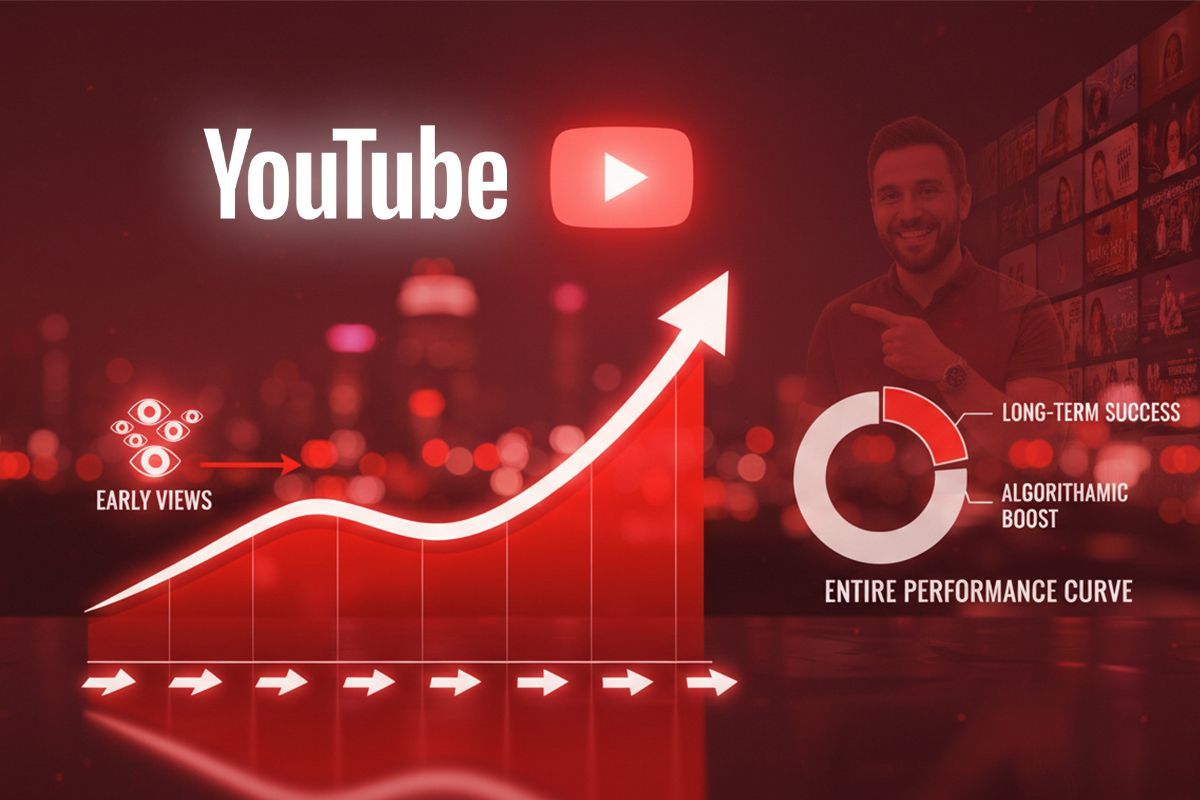
Most videos follow a predictable performance curve that often begins with a spike in activity immediately after upload, then either continues or drops off sharply. Whether videos perform long term or experience a rapid decline depends on early reactions.
YouTube tests your video with a small audience and determines how many viewers respond positively. If the metrics look promising, your video gets distributed to more people. On the flip side, weak engagement limits your video distribution. Understanding this curve helps you recognize how important the foundation of every video is, so you can improve other videos and boost your early signals.
Early Views as the Algorithm’s First Test

The first batch of viewers on your video is treated as a quality-control experiment, rather than simple traffic. Think of this time as a quick test for your video. The app is watching closely to see if people like what you created and wants to know if your work is worth showing to a larger audience.
YouTube’s algorithm evaluates how your videos perform with real fans and checks to see if people find them helpful or entertaining. During this phase, it counts the time viewers spend with you and wants to see if they stay until the end or leave quickly. If they leave after a few seconds, the app might stop sharing it. But if they stay, the app will show it to more viewers.
This is how you find viewers who love your style. It is all about making sure people don’t want to look away. A positive response with strong early engagement enhances your video marketing to more potential and returning viewers, leading to better discovery and impressions.
Key Metrics YouTube Tracks Immediately After Launch
Several performance signals matter more than just the view count in the first 24 hours after upload. YouTube checks for deeper engagement indicators such as click-through rate (CTR), watch time, and average views to tell how valuable the content is. It also checks for engagement actions, including likes, comments, and shares, which shows a strong content distribution value.
Review these metrics in YouTube Studio or Analytics and check your retention graphs to know how you can improve in your next content. While views are important, engagement is a much more determining factor for the algorithm, and views without engagement show weak signals.
How Early Momentum Creates Long-Term Growth?
Early traction often works like momentum that builds over time. When strong engagement occurs quickly, impressions increase, bringing new viewers who continue the engagement cycle. This creates a compounding effect where visibility leads to broader reach, attracting returning viewers and encouraging more subscribers.
As your engagement increases, YouTube continues to recommend your content to more users. With a strong launch, you can make average videos go viral as the momentum keeps building. Over time, this cycle strengthens overall performance, helps creators attract consistent attention, and allows videos to continue generating views long after the initial upload period has passed.
What Happens When Early Views Are Low?
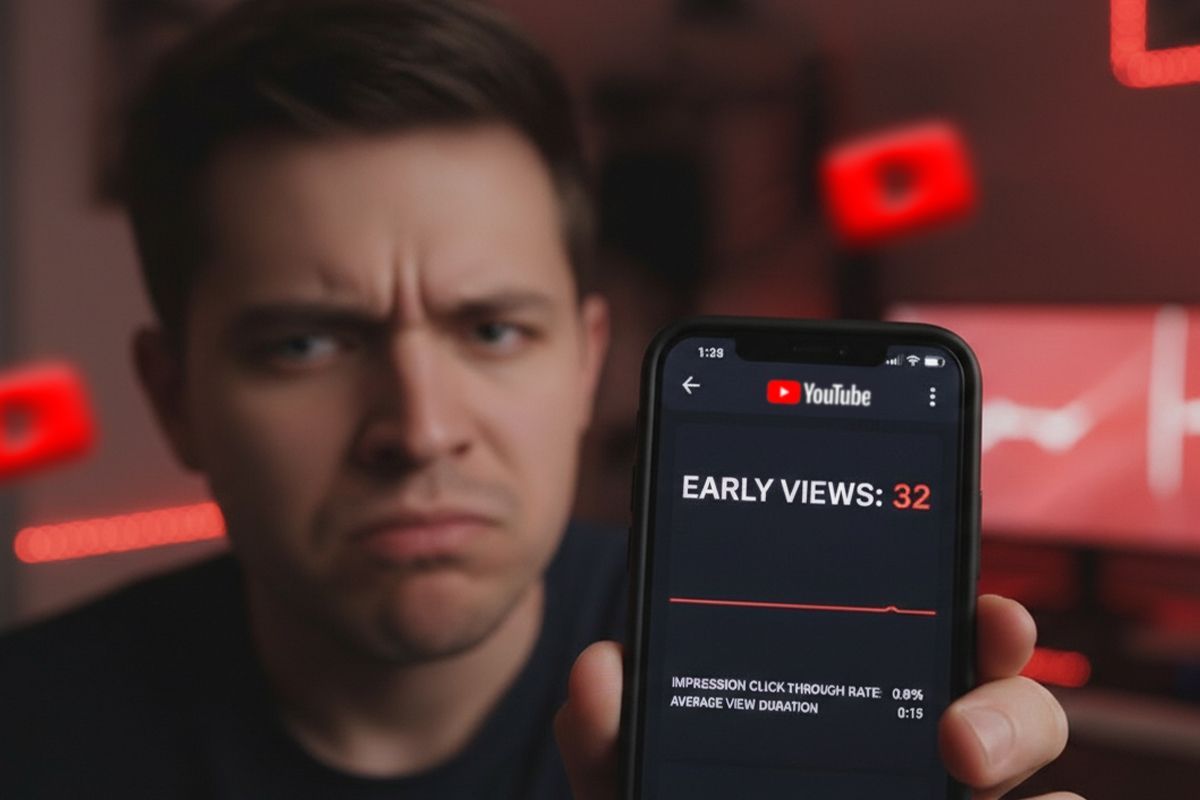
Sometimes, early views are low, but they do not necessarily mean failure. However, they can significantly slow growth, limiting how far and wide your videos perform. If only a few people watch your video initially, it sends a subtle message to the app and leads YouTube’s algorithm to think your work might not be very exciting. This can cause your engagement to drop off quickly.
Sometimes, videos perform better later on through search. They might even show up in recommendations after a few weeks or months have passed. But winning is much harder without a big push at the start.
The Role of Your Core Audience in the First 24 Hours
Now that you have uploaded your video, consider what your core audience should focus on in the first 24 hours. The video is first introduced to your subscribers and loyal viewers, and if this audience watches quickly and interacts with the video, you can achieve a wider reach. Start building a reliable community to increase the chances of your video gaining early traction. This will help the system recognize the value of your content and push it to a broader audience.
How Upload Timing Impacts Early View Velocity and Organic Traffic?

As you aim to gain more impressions on your YouTube videos, timing is an important factor to consider. Launching during low activity periods can affect early impressions. Review your YouTube analytics to determine when your audience is most active, then prepare to publish future videos around that time. By uploading videos during peak hours, you gain traction sooner and improve your chances of getting more recommendations and increased views in the first 24 hours.
Strategies to Maximize Early Views, Returning Viewers, anafd Engagement
Apply these proven strategies to gain early views and engagement:
Creating Strong Titles and Thumbnails for High CTR
The first things anyone notices about your video are your titles and thumbnails. To improve your click-through rate and gain more views, use compelling titles that set expectations and encourage curiosity. Also, use high-quality and eye-catching thumbnails.
Posting Community Announcements Immediately
Once you publish, proceed to announce it to your community so they can start viewing and engaging with your posts early. Share the news on your YouTube feed immediately to encourage faster clicks from your subscribers.
Sharing the Video with Email Lists or Social Platforms
Take your video marketing beyond the YouTube platform and leverage email lists or social media channels. Connect with your audience on these platforms, encouraging them to watch your newly-released YouTube video to increase your views and engagement signals.
Pinning a Comment to Encourage Interaction
As comments start rolling in, pin the most intriguing one to drive conversations, or create one yourself. This could be a question or prompt, or even simply asking viewers for their opinion to encourage more responses.
Responding to Comments Quickly to Attract New Viewers
Actively respond to comments within the first hour of upload, as this shows viewers that you’re present and engaged, gradually driving more views. This signals to the algorithm that there’s some activity on your content, which can boost more views on your YouTube shorts.
Increase Average View Duration by Purchasing
One of the quickest ways to boost early momentum on your videos is to buy YouTube views. This gives you an early start with real audiences, making it easier to gain more organic views in the long run. This is especially helpful for new creators with little to no audience, but who still want to increase their views in the first few hours.
Long-Term Impact: Early Views Shape the Lifespan of YouTube Video
The first 24 to 48 hours after uploading a video on YouTube are critical to its growth and potential virality. Treat each video launch like an event, focusing on strong uploads and building impressions immediately. With early positive signals, you can get your videos to a larger audience for weeks or even months, rather than just a quick but short-lived early spike.
Understanding early momentum can help you build consistent growth and improve your future releases for better engagement metrics and discovery.