Summarize This Article with AI


The Real Problem: Why Small Creators Struggle With the New Algorithm
It can be frustrating for small creators to upload consistently and still see very low views. Many start to believe that success on YouTube is only for bigger channels. But the truth is, How Small Creators Can Win Against YouTube’s New Algorithm comes down to understanding how the system actually works.
The algorithm doesn’t favor size—it favors performance. Videos that get clicks, keep viewers watching, and encourage longer sessions are more likely to be pushed to a wider audience. By focusing on strong viewer signals like watch time and engagement, small creators can grow effectively, even in a competitive space.
What Does the New YouTube Algorithm Actually Optimize?
The new YouTube algorithm is focused on keeping viewers on the platform much longer. If your channel or content is able to achieve this, you’ll naturally fall into recommendation loops, get increased visibility, and increase traffic from browse features.
Your goal as a small creator should be to create content that leads to high retention, boosts engagement, and promotes longer viewing sessions. For example, playlists, breaking stories into parts, creating a series, and using catchy animations.
When you have these on lockdown, viewers stay hooked, and your channel starts to send engagement signals to the algorithm. This content momentum is exactly what you need to start competing with bigger channels in terms of visibility.
Core Strategies Small Creators Can Use for Their Success?
If you’re ready to start dominating your YouTube niche, follow these simple yet effective strategies.
Strategy 1: Ride Momentum Waves
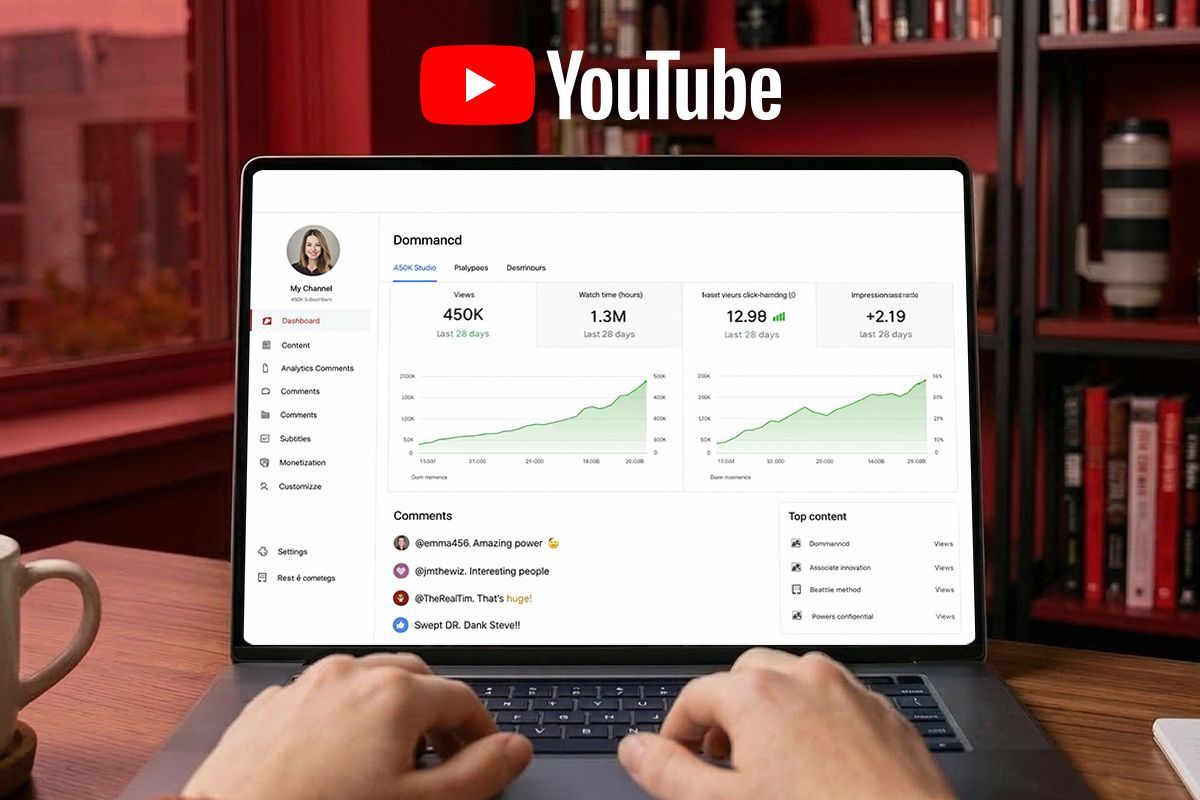
Success does not always come from virality. Most popular YouTube videos grew in waves, not instantly. So, as a small creator, it’s on you to be able to identify when your video starts gaining traction. This is so you can leverage and amplify the momentum waves by sharing related content, responding to comments quickly, and connecting viewers to similar videos.
Spotting Early Momentum Signals
Once you upload a video to your channel, it’s time to pay attention to early momentum signals that you can leverage. Watch out for rising click-through rates (CTR), longer watch-time, and increasing impressions. These signs show that your video is resonating with users.
Amplifying the Wave
This is where you hit the nail on the head – release follow-up videos that viewers can watch once they finish the first one to boost session watch time. Follow up by responding to comments quickly, and put related video links in the description. This sustains the algorithm signals and leads to a wider push.
Strategy 2: Micro-Retarget High-Intent Viewers
Your target as a small creator shouldn’t be broad audiences- you want to build a core community by attracting specific viewer segments. The YouTube algorithm’s recommendation system works more accurately when you aim for niche viewer satisfaction. Audience-specific videos help the algorithm learn who you’re creating for, so it can push it to them.
Define the Micro-Audience
The best way to increase engagement is to identify your micro-audience. Who are you creating for? What questions are you answering for them? What do they care about? Once you’ve answered all these questions, you can narrow your content down and start attracting the right audience.
Design Content for Viewer Intent
Now this is where things get even more strategic: your entire media should reflect and address audience intent. Thumbnails, titles, and overall content should directly address the problems your audience faces. Generic titles and designs will not cut it.
Strategy 3: Build Session Chains Instead of Single Videos

One step many big creators never miss is the session chain strategy. Since YouTube rewards videos that encourage viewers to stay on the platform and watch multiple videos, all your content should be structured in such a way that one leads to another.
Connect Videos Through Topic Sequences
Related videos can pull viewers in without them even knowing. Your videos should flow through topic sequences. For instance, if you’re in the health or beauty niche and you make one video that talks about “What causes hair loss”, the next one in the sequence should be “How to fix hair loss fast”, then the next one “Stop breakage: how to maintain hair length”.
These topics are sequential and keep viewers locked into your channel, which is exactly what the algorithm wants.
Use Playlists and End Screens Strategically
Playlists allow you to organize your content clusters in a way that users can easily find them. In addition, if you organize your videos into a playlist, the next video automatically plays when one ends.
On-screen cards and end screens can help you direct viewers to related videos right before they finish the current one, extending viewing sessions strategically.
Strategy 4: Align Content With Timing and Trend Windows
Jumping on trends at the right time will always remain an effective growth strategy. Creating content around trends or viewers’ curiosity is a great way to boost discoverability.
Videos that are released at the onset of a trend are usually the ones that enjoy the visibility it brings. These videos attract massive discovery traffic before the trend gets oversaturated and forgotten. So, trend timing is key.
Identify Trend Opportunities
Stay on top of the trend game by monitoring buzzing topics in your niche. Use YouTube search autocomplete to explore what your viewers are currently searching for—type a topic related to your niche and wait for the suggestions to appear.
Pay attention to the top creators and their recent videos. If you notice more than one person covering the same topic within a short time, immediately jump on it. Don’t forget to check the Explore tab to see videos or music that viewers are loving.
Publish During Peak Interest
There are particular times in a day when your audience is most active; posting at this time guarantees a good level of engagement. You can find out when your peak time is through YouTube analytics—you’ll see when your audience activity peaks and when it’s low.
Strategy 5: Build Topical Authority the Algorithm Can Recognize

Building topical authority makes you recognizable, not just to your viewers but also to the YouTube algorithm. When you have multiple videos covering related topics, the algorithm starts to associate your channel with that niche, so you’ll start appearing in the suggested videos of the right audience.
Create Topic Clusters
Have multiple videos that explore different aspects of the same topics to build authority. Start with a pillar topic that your audience is interested in and use it as your main theme.
If you run a social media growth channel, a content pillar can be ‘how to grow on YouTube’. From that topic you can create ‘how to get your first 500 subscribers’, ‘how to boost your CTR in 2026’. People who watch the main pillar video will most likely watch these clusters.
Become the “Go-To Channel” in Your Niche
The more consistent you are, the more recognizable you become. Post different videos about a topic until people start automatically coming to your channel for answers to their pressing questions in your niche.
Consistent subject focus is an audience-targeting strategy that always works!
Strategy 6: Buy YouTube Subscribers and Views
Many creators opt for quick channel boosts and visibility triggers by purchasing YouTube subscribers and views. Here’s how it works:
When you buy YouTube subscribers from a reputable provider, you get real viewers who are actually interested in what you post. This gives your channel an immediate credibility boost and helps it become more established, fast-tracking your overall growth.
Buying YouTube views is another cheat code many creators use to bypass the long wait time associated with small channels. When you post a video, the algorithm shows it to a small group of people first, and then, depending on the engagement you get in this phase, the video will be pushed to a wider audience.
So, in essence, buying YouTube views and subscribers helps you ace the algorithm testing phase, build credibility, hit major YouTube earning milestones, and become more appealing to viewers.
Conclusion
The key to winning against YouTube’s new algorithm as a small creator is to apply different tailored strategies. Hop on trends at the right time, build authority in your niche by creating topic clusters, use a micro-retargeting strategy to attract viewers that actually matter, and build session chains.
Only channels that can keep viewers on the platform long enough get seen and pushed by the algorithm.