Summarize This Article with AI


One thing a lot of people get wrong is trying to grow a YouTube channel by pulling in everybody, which almost never works. With over 500 hours of video going up on the platform every single minute, a channel without a specific audience is basically advertising to a random crowd. The creators who win are the ones who figure out how to find their target audience on YouTube early.
Once you know your right audience, your content strategy stops being a guessing game. Your videos attract viewers who genuinely care, your platform engagement goes up, and ads and monetization start making more sense. In this article, we will show you how to find your target audience on YouTube and boost your metrics.
What Is a Target Audience on YouTube?
People sometimes mix up “viewers” with “target audience,” but they are not the same thing. Viewers are anyone who lands on your videos, while target users are a much more specific group of people who share similar interests, deal with the same pain points, or chase similar goals.
They are the ones for whom your channel’s content was practically built. They watch all the way through, drop comments, hit subscribe, and show up again next week. That pattern of loyalty is what separates a real community from random clicks. Knowing your ideal viewer changes how you create everything.
Step 1: Define Your Channel’s Core Purpose
Identify the Problem You Solve
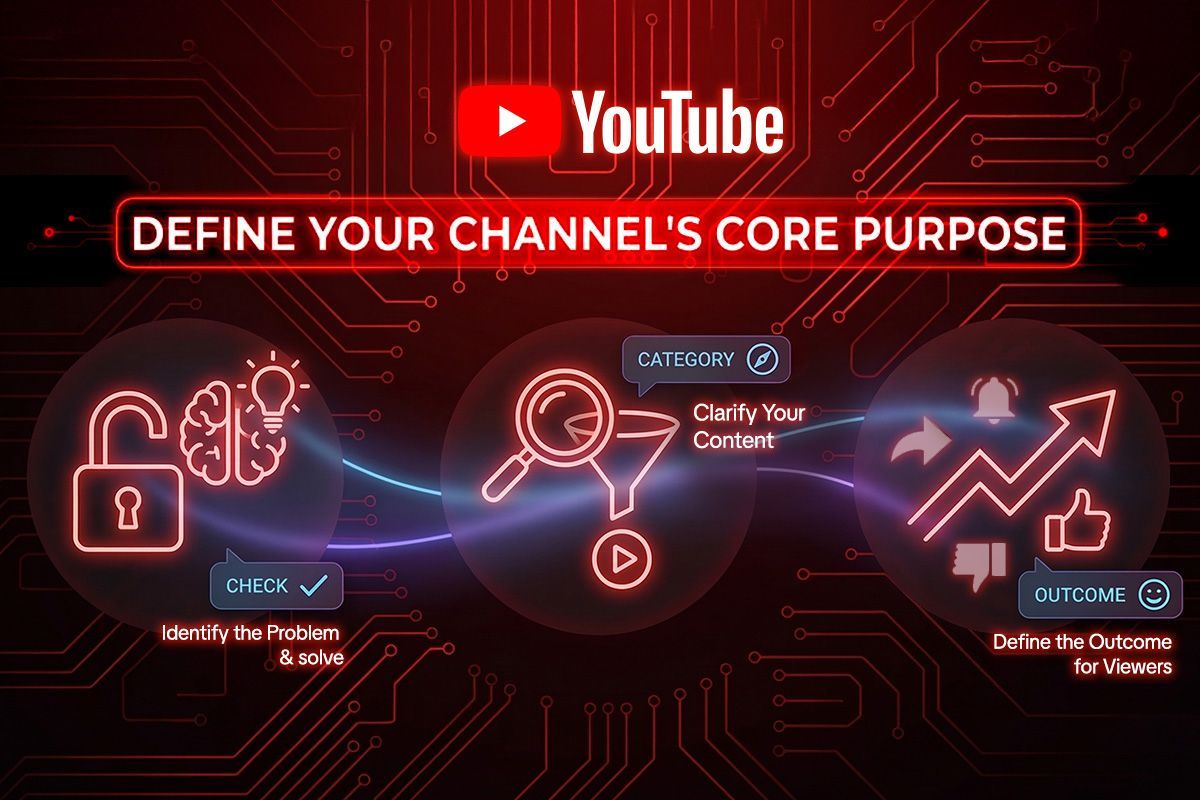
Before anything else, get honest about what your YouTube channel actually fixes. What specific challenges do your videos address? What does someone gain after watching that they did not have before? Is it a skill, an answer, or a bit of relief from something confusing? Naming that clearly is what starts pulling in the right audience. Without it, no content strategy in the world holds together for very long.
Clarify Your Content Category
Search engines and the YouTube platform both rely on category signals to figure out where a channel belongs and whom to show it to. When a channel keeps drifting between topics, that signal gets unclear. Committing to one category, whether it’s tutorials, reviews, commentary, or entertainment, and staying consistent is what lets the platform do its job properly. It also makes things easier for target users and potential customers to search on YouTube.
Define the Outcome for Viewers
Clearly define what someone actually gets from sitting through one of these videos. Did they finally understand something that had been confusing them for weeks? Did they feel ready to act on something they had been putting off? That outcome should be shaping video titles, driving tag choices, influencing how to create thumbnails, and pointing toward new content ideas. Viewers who consistently walk away with something real have very little reason to look elsewhere, and this helps you build a loyal community.
Step 2: Analyze Your Current Audience (Using YouTube Analytics)
Demographic Targeting
Most creators open their YouTube analytics, glance at the numbers, and close the tab, missing the chance to put the data to good use. The demographic targeting data in there, from age to gender, location, language, household income, and parental status, is a profile of who is already paying attention. Not every data point will feel relevant at first, but look for patterns across the segments and use that information to fine-tune your approach and keep your audience.
Watch Time & Retention
It’s always a good sign when your audience watches most of a video before leaving, as it means your content targeting is working. Head to the audience tab and check your retention numbers. Strong watch time tells the platform your videos deserve to be pushed into more suggested videos and search results, which means the right audience finds you without you doing extra work.
Traffic Sources
It’s important to know where your YouTube audience is actually coming from. The analytics tool breaks this down into YouTube search, suggested videos, search engines, direct links, and other channels. Each traffic source tells you something different. If search is driving most of your views, your relevant keywords and video titles are doing their job well. If suggested videos are leading, lean into that and create more content in that same direction.
Returning vs. New Viewers
Every once in a while, check your viewer breakdown and look at who is actually in there. Some people probably found your channel yesterday, while others have been quietly watching for months and keep returning on their own.
Returning viewers are usually the ones finishing videos, leaving comments, and sticking around because something about the channel’s content keeps earning their time. New viewers are also important, as your growth barely improves without them. However, the more interesting number is the gap between the two, as it tells you a lot more about what is actually working than total view counts ever will.
Step 3: Study Your Best-Performing Videos
Identify Subscriber Gain per Video
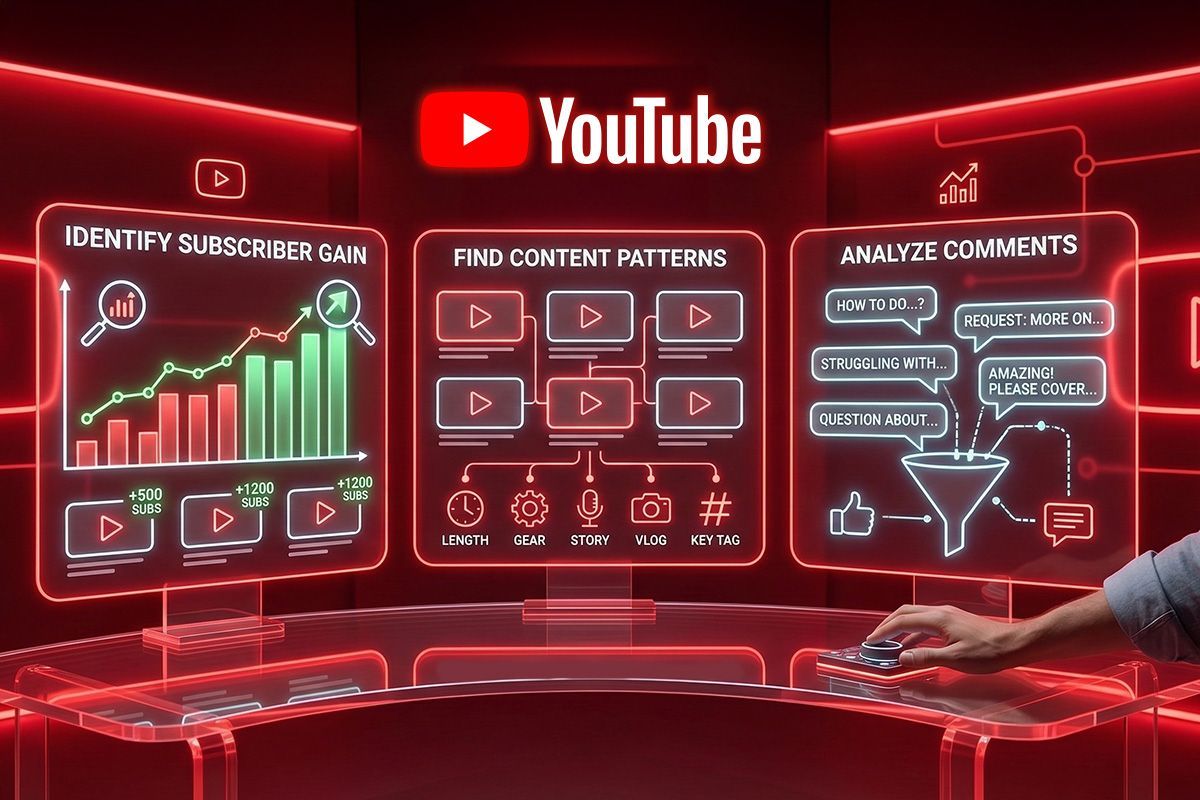
Not every video pulls in subscribers at the same rate. From your analytics, you can see exactly which videos turned casual viewers into loyal followers. Those videos are your best clues about what your target audience’s interests actually look like in practice. Replicate the same relevant topics, strategy, and tags, and you will keep attracting the right audience.
Look for Content Patterns
Line up your top-performing videos and look for what they share. Check for the same format, similar length, or certain relevant keywords that keep showing up. These patterns often reflect what your specific audience genuinely responds to. Once you spot them, building a smarter content strategy becomes a lot easier, and you can start making videos with a real point instead of just creating blindly.
Analyze Your Comments
Your comments section holds more useful data than most creators realize. Scroll through and look for patterns by checking what challenges keep coming up, what ideas people request, recurring questions, and what language your community naturally uses. That feedback shows you specific keywords, fresh content ideas, and provides a direct window into what your target users want next. It is one of the most underused tools for audience targeting on YouTube.
Step 4: Research Competitor Audiences
Identify Similar Channels
Other channels in your niche should be seen as a research goldmine rather than just competitors. This means you need to study their video titles, tags, and best-performing content to know which tactics to apply in your content strategy. Seeing what already works for a similar audience on YouTube helps you spot gaps, borrow smart ideas, and position your own channel’s content more effectively.
Study Their Comment Sections
Dig into the comment sections of your competitors’ top videos. Viewers often leave comments on exactly what they want more of and what they feel is missing. You will find real language, specific keywords, content ideas, and raw insights into shared struggles. Matching that language in your own video titles and content strategy makes your channel feel immediately relevant to the right people already in that space.
Observe Engagement Patterns
Pay attention to which videos on competitor channels pull in the most comments, likes, and shares. Those are the formats and relevant topics your shared audience responds to most. High engagement on other channels is a signal you should not ignore, as it points directly to demand. Use those patterns to adjust your own targeting options and give your audience more of what already works.
Step 5: Create a Clear Audience Persona
Thinking of an audience as a broad, faceless crowd makes every content decision harder than it needs to be, but a YouTube audience persona fixes that. Instead of a corporate demographic profile, create an actual picture of one specific ideal viewer with a real age range, genuine interests, ongoing goals, and the kind of challenges that keep coming up in their life.
Find out where they are knowledge-wise on this topic, if they are just starting out or already past the basics and looking for depth. Figure out the kind of content they prefer. The more specific those answers get, the easier everything else becomes. Video titles, thumbnails, tone, tags, and even decisions around YouTube ad campaign targeting options all get clearer when there is one real person to make them for instead of a vague crowd.
Step 6: Validate Your Target Audience

Ask Direct Questions
Assumptions have a quiet way of moving a channel off course, and many times, asking directly does the trick. It could be a poll dropped in the community tab, a question worked into an upcoming video, or a straightforward comment asking viewers what they want to see next, all of which can get you real information fast on what your audience wants. The feedback you get tells you directly whether the content strategy is actually working for the specific audience it was built for or if you need to adjust.
Test Different Video Angles
Take the same relevant topics and approach them from a different angle. Switch up your video titles, swap the thumbnails, tweak your tone, then let your analytics tell you what actually worked best. This kind of experimenting is how you improve your content without guessing. Real data from real viewers beats assumptions every single time when it comes to audience targeting.
Track Subscriber Growth Patterns
After you post different types of videos, watch what happens to your subscriber count. Spikes after certain content types could be seen as signals to create more of such content. Your YouTube analytics will show you which relevant topics, formats, and strategies consistently bring the right people into your channel. Follow those signals over time and let the data shape your content strategy going forward.
Step 7: Align Content Strategy With Your Target Audience
Adjust Titles & Thumbnails
Your video titles and thumbnails decide whether your ideal viewer clicks or keeps scrolling. Use relevant keywords that they are already typing into YouTube search engines. Make your thumbnails communicate value before a single word gets read. When your titles and thumbnails speak directly to your target audience’s interests, you get more clicks, and the platform pushes your content further through audience targeting and suggested videos.
Match Tone & Communication Style
Language matters more than most creators think. Your humor, pace, and depth all need to match the knowledge level and preferences of your specific audience. While beginners want clarity, experienced viewers want substance. Read through your comments regularly and notice how your community actually talks. Mirror that language back in your videos, and your channel will begin to feel like a place people genuinely belong.
Create Content Series Around Core Problems
Random one-off videos rarely build loyalty. Instead, build series around the biggest issues your audience faces. Walk them through something step by step across multiple videos. This keeps viewers watching more of your content, increases your watch time, and shows the platform that your channel’s content runs deep on relevant topics. It also makes your ideal viewer far more likely to subscribe and stay inside your community long-term.
Conclusion
Real audience clarity on YouTube rarely shows up all at once. Some of it comes from YouTube Analytics, specifically the demographics breakdown, watch time patterns, audience behavior, and where traffic is actually coming from.
Some comes from looking hard at which videos performed best and why. Competitor communities are also worth studying because the comments and engagement patterns often reveal things that internal data misses. Put all of that into a working audience persona, then go back through the content strategy, video titles, thumbnails, and tone to check if they are reaching your target audience.