Summarize This Article with AI


Want to go viral on LinkedIn in 2026? You’re not alone — and the numbers prove why it matters. LinkedIn now boasts over 1 billion members, and top-performing posts are regularly pulling in 5 to 10 million impressions, hundreds of leads, and thousands of new followers — sometimes overnight.
Crazy, right? The platform has completely outgrown its “job-search site” reputation. Today, it’s one of the most powerful professional content platforms on the planet, where a single post can open doors to speaking gigs, partnerships, clients, and career-defining opportunities.
So if you’re ready to stop scrolling and start owning your LinkedIn presence, this article breaks down the proven strategies that are actually working in 2026.
Key Takeaway
- Likes alone won’t make a LinkedIn post go viral — comments, reposts, and saves carry much more weight with the algorithm.
- Personal stories, lessons learned, and original insights typically generate stronger engagement than generic motivational content.
- The first two lines of your post are critical for grabbing attention and encouraging users to stop scrolling.
- Using a mix of content formats such as text posts, carousels, videos, and documents can help expand your reach and engagement.
- Consistent posting and audience engagement create more sustainable growth than relying on occasional viral posts.
What Does Going Viral on LinkedIn Actually Mean in 2026?
Once your posts start to reach a broader professional audience beyond your immediate connections or follower circle, they have gone viral.
Simply put, your post can be considered viral when it generates a high number of impressions, usually above 5000, and receives a lot of engagement in the form of comments, likes, reactions, and reposts from people who are not within your network.
In 2026, viral LinkedIn posts are no longer centered on likes; the algorithm prioritizes other engagement metrics and relevance to the audience. If you want to go viral, you have to create posts that spark discussions and create value.
10 Proven Ways to Go Viral on LinkedIn in 2026
What strategies actually work when it comes to going viral on LinkedIn? Let’s find out!
1. Share Valuable and Original Content
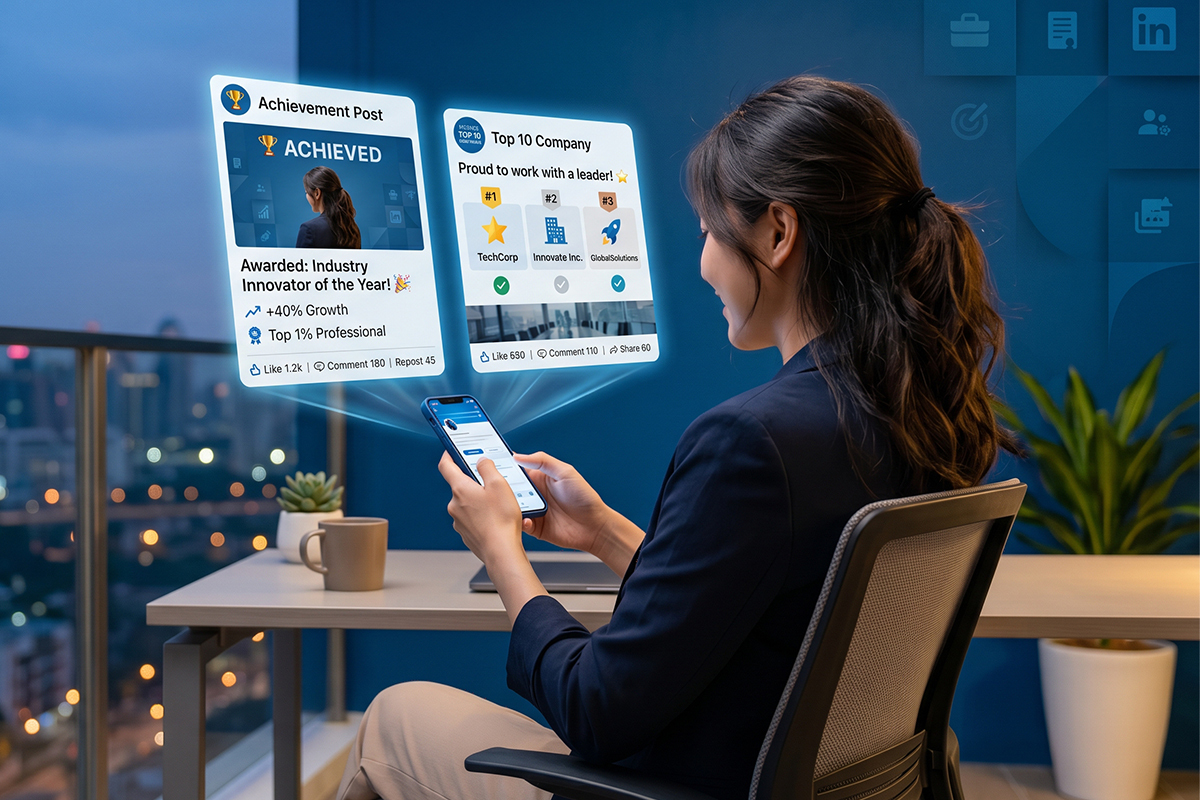
If you’re posting the same recycled advice everyone else is sharing, don’t expect the algorithm to do you any favors. Original content is what actually stops the scroll. LinkedIn’s algorithm strongly favors posts that educate, inspire, or solve a real problem for a specific audience.
Whether you’re sharing industry insights, personal experiences, or actionable tips, the key is making your audience feel like they gained something from reading your post. The more value you pack in, the more engagement you earn.
Types of LinkedIn Content That Often Go Viral
- Personal stories and experiences: Real posts about your career journey, raw career lessons, and real success stories always win over polished, corporate-sounding content.
- Educational and Industry content: Sharing tips and personal insights into different processes within your niche.
- Data-Driven & Trend-Based Viral Posts: Posts backed by solid stats or tied to trending topics instantly grab attention and earn high shares from curious professionals.
-
- Motivational & Inspirational Posts: Beyond personal stories, posts that motivate people and inspire them to take action go viral because people love encouragement, and they’ll support it if it speaks to them.
- Problem-Solving Content: Content that solves the immediate needs or problems of an audience, especially niche audiences, is more likely to go viral because they provide immediate value.
2. Create Eye-Catching Visual Content
If you want to stop the scroll and get people to actually interact with your posts, you need high-quality visual content. Don’t just post long texts – they can get boring very fast, no matter how catchy the story is, so utilize white space to increase readability.
Tell a story with carousel posts and use video content to capture attention. Instead of writing “5 Mistakes Digital Marketers Make With Their First Clients” as a long text post, turn it into a well-designed infographic or branded visual.
For example, Canva’s own LinkedIn page does this consistently — every post is clean, bold, and instantly readable, which is exactly why their content performs so well in the LinkedIn feed.
Readers prefer visually digestible content over walls of text. That time spent engaging with your visual also signals to the algorithm that people are finding real value in your post, which pushes it even further.
3. Write Strong Hooks and Captions
Hooks are scroll-stoppers that top creators use in every post to capture their audience’s attention. Optimize your hooks with keywords to boost discoverability.
The first two lines of your post are the most important, so you want to use phrases like “You won’t believe what happened after I tried this”, or “You won’t use (x) again if you discover how I use (y).
Pique the curiosity of your professional audience and promote with questions, bold statements, and shocking stats. For example, “Did you know that only 1 in 4 people…” This is the easiest way to write engaging LinkedIn posts and get users to notice you.
4. Encourage Comments and Shares with CTAs
You can’t go viral on LinkedIn without high post engagement, so your content should almost always focus on generating conversation. Before you end any post, add a Call to Action that prompts users to take action.
Sometimes all you need is a little push to increase engagement. Some great examples of CTA’s: “What do you think about this?” “Share this with your friends”, “ Leave a comment below”, “Comment ‘GET’ to receive the free e-book”.
Comments and increased shares on your post skyrocket your visibility and attract the right people by sending the right engagement signals, boosting its viral potential.
5. Tag Strategically — Not Randomly
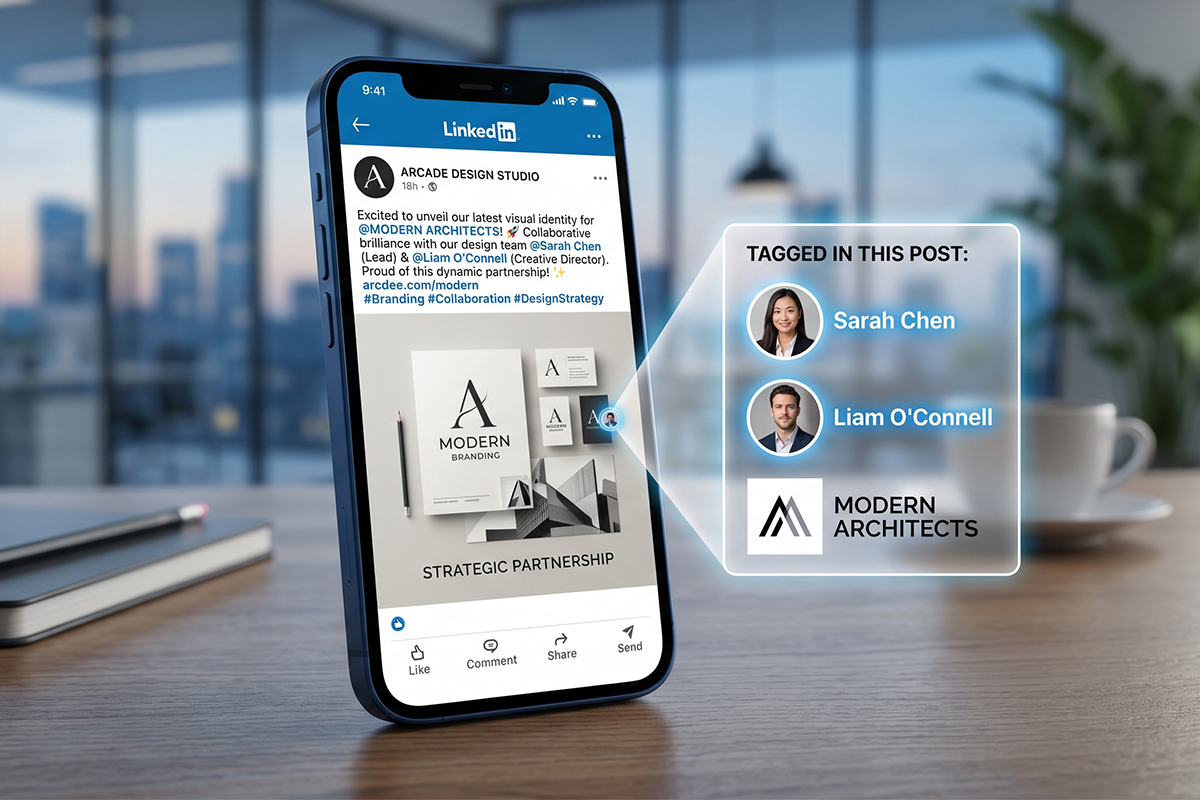
Creating content is one thing, but tagging strategically requires another level of intentionality. Stop the random tags and mention relevant users who are actually in the same niche as you and more likely to respond.
Tagging strategically can take your posts to the feeds of more people beyond your connections. For example, referencing another creator’s content in your post and tagging them on it will naturally encourage them to repost and engage with it.
Their engagement will put your post in their feed, instantly exposing you to their network. Tagging people at random can be frustrating and can affect your credibility. Only tag people when they are connected to the conversation you want to trigger.
6. Post at the Right Time
Random posting will get you random results. If you want to go viral on the platform, find out when your audience is most active and schedule your posts for that time.
The best times to post on LinkedIn in 2026 are generally between 8:00 am and 10:00 am, around lunch breaks, and between 4:00 pm and 6:00 pm.
You can experiment with this timing for a week and measure engagement on your posts at different times to pinpoint the exact time when your audience is most active. Posting at the right time can triple your engagement and attract a wider community to your post.
7. Use Carousels — The Highest-Performing Viral Format
Many reports have shown that carousel posts generate very high engagement on LinkedIn, mainly because they make it easy for a reader to explore long-form content. As users spend time swiping through slides, it signals to the algorithm that your post is valuable.
Educational carousels, step-by-step slides, and reports perform better than plain text because they’re easy to digest and worth saving. People don’t just scroll past them — they share them.
A great real-world example is the carousel below, which shows how tackling a pain point most creators silently deal with — posting consistently but getting zero results: no inbound, no conversations. It broke down exactly why that happens and what to fix, making it the kind of post people save immediately.
8. Leverage Video Content for Higher Reach
Short-form video content is creating a buzz right now on LinkedIn. You can share expert insights, tutorials, and how-tos, or behind-the-scenes clips to increase your viral potential. People love relatable content, and videos are often helpful for building a stronger connection with your audience.
For example, a business owner can talk about their biggest failures, or a startup founder can share tips on how they locked in their first paying client.
Your video should have strong captions, solid openings, and be concise, so you don’t lose people’s attention along the way. For example, Gary Vaynerchuk regularly repurposes short video content across LinkedIn, and the results speak for themselves:
9. Tell a Personal Story With a Professional Payoff
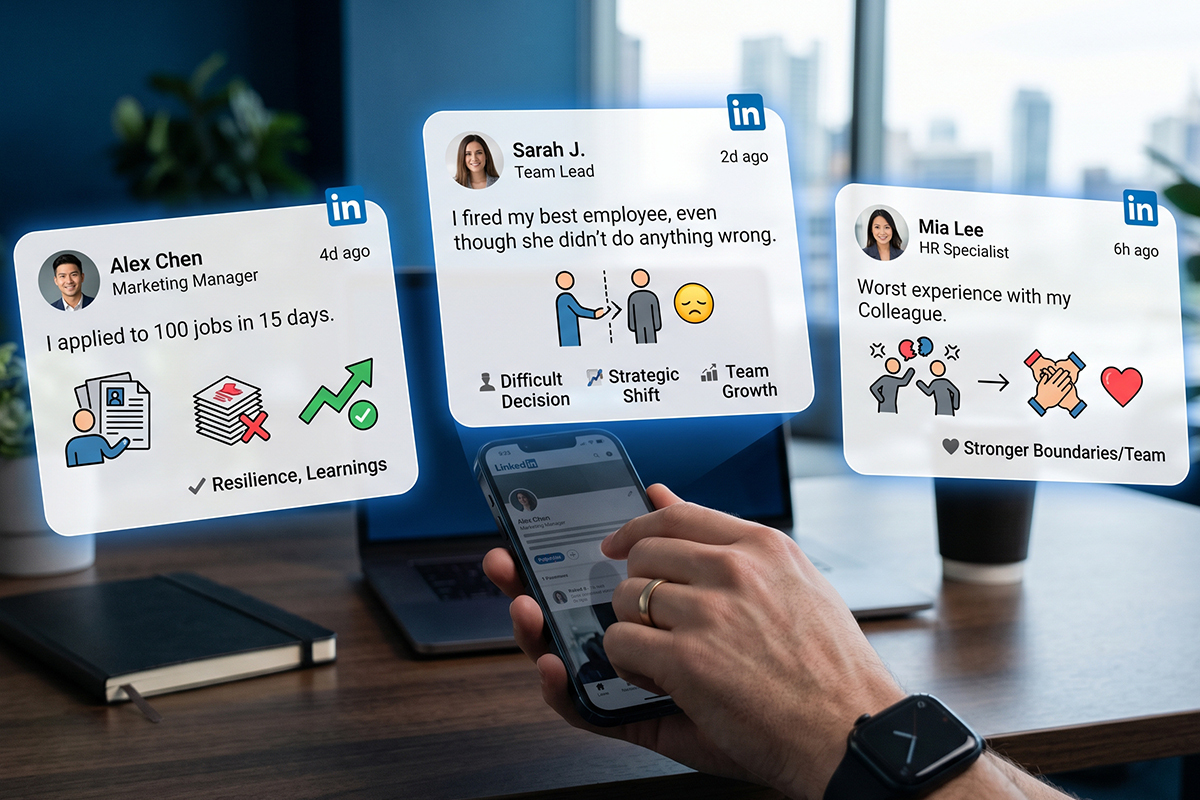
Everyone in the world loves a great personal story, which is why more posts like these keep going viral on LinkedIn in 2026. Compared to sharing generic tips, telling a personal story with a professional payoff triggers an emotional investment because it’s honest and more relatable.
Talk about leadership failures, layoffs, career growth, work-life, or burnout. Posts like “I applied to 100 jobs in 15 days and I landed my dream role in my dream company” or “I fired my best employee, even though she didn’t do anything wrong”.
The opening piques curiosity, and your storytelling will keep them engaged to find out the outcome. The trick is to close your story with a professional win.
10. Post a Contrarian Take on a Widely Accepted Belief
Nothing goes viral faster than the contrary takes on popular opinions! These kinds of posts generate comments, shares, reposts, and continuous engagement on your account, which is exactly what the LinkedIn algorithm likes.
Say something people didn’t expect to hear. Contrarian posts challenge what everyone in your niche has quietly agreed on — and that tension is one of the most reliable ways to build a large following on LinkedIn. They spark debate, force reactions, and keep comment sections alive for days.
For example, LinkedIn is a massive network of professionals, and posting something like “Networking is overrated” will trigger many reactions. Your goal should be to make strong but inoffensive niche-based statements backed by real-life experiences.
As the post continues to buzz, you’ll see an increase in connection requests from people who actually agree with what you said.
11. Win the Golden Hour — Respond to Every Comment in 60 Minutes
The first 60 to 90 minutes after you hit publish are everything. This is the window where the algorithm decides whether your post has legs — and your job during that time is to stay glued to the comments section.
Don’t just drop a post and disappear. Every comment deserves a real response — not a “thanks for sharing!” Write 2 to 3 sentences that actually add to what the person said, build on their point, and end with a follow-up question to keep the thread alive.
Instead of “Great point!” try “Most people overlook that — what’s worked best for you personally?” One closes the conversation. The other doubles it.
The algorithm reads a growing comment thread as a signal worth amplifying. Treat that first hour like a live event — show up for it.
12. Build Early Momentum for Your LinkedIn Posts
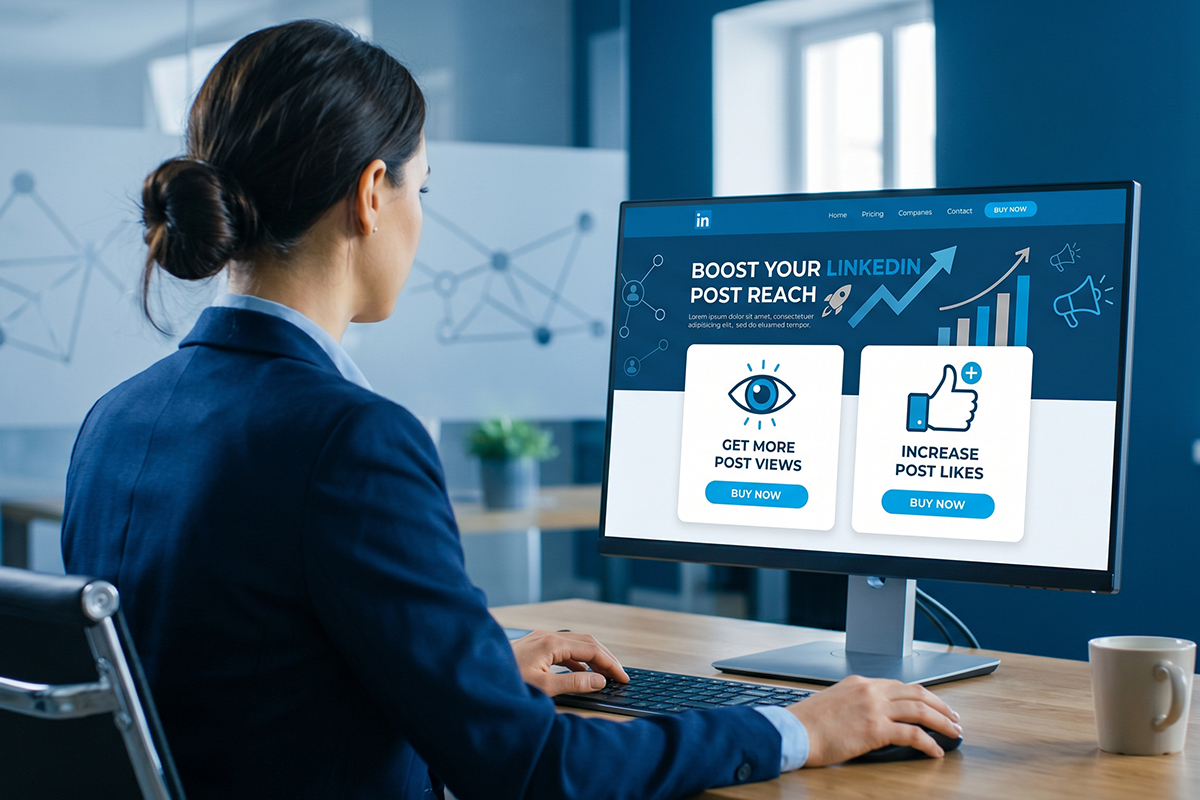
Early momentum is the key to going viral on LinkedIn because it influences how the algorithm pushes your content. You can buy LinkedIn views and likes to accelerate their momentum and set their posts up for virality.
Purchased likes and views give your post the push it needs to reach more people and send strong signals to the algorithm. It skyrockets your reach and apparently puts you in the feeds of people who may never have come across your post before.
You can use growth services strategically to enhance your organic efforts and consistently position your posts for virality.
Viral LinkedIn Success Starts with Consistency
People hardly go viral on LinkedIn by accident anymore. You have to be intentional and consistent! Post regularly, join communities in your niche, share links to your posts, and engage with other professionals.
Combine high-quality visual designs with catchy carousel titles, and tell personal stories rather than point-blank marketing or sales. Once you stay consistent with these strategies, you can expect your posts to go viral on LinkedIn regularly.
FAQs
1. How many views are considered viral on LinkedIn?
A post crossing 50,000–100,000 impressions is generally considered viral, though even 10,000 impressions can feel viral for smaller accounts.
2. What type of content goes most viral on LinkedIn in 2026?
Short-form videos, carousels, personal stories, educational posts, and contrarian takes tend to go viral on LinkedIn faster in 2026.
3. How long does it take for a LinkedIn post to go viral?
Most viral posts take off within the first 24–48 hours. If a post hasn’t gained traction by then, it rarely does.