Summarize This Article with AI


Getting 2,000 views can feel great, but is that a good view-to-follower ratio on TikTok if you have 1,000 followers, 10,000 followers, or 100,000 followers?
A good view-to-follower ratio on TikTok depends on your account and content. As a rough starting point, 10% to 20% is a useful target. Also 20% to 50% ratio can feel encouraging for many accounts.
Still, one number does not tell the full story. Many factors matter, like:
- Your reach
- Audience
- Video quality
- Watch time
- Engagement
This article will help you understand what a good view-to-follower ratio is and how to calculate it. We will also share tips to improve it and stay ahead of the competition!
Key Takeaways
- A good view-to-follower ratio on TikTok depends on your account and content. Use 10%–20% as a rough reference, not a fixed benchmark.
- Calculate your ratio: divide video views by followers, then multiply by 100.
- Your ratio can exceed 100% because views can include non-followers and repeat watches.
- Use median views from 10 recent organic videos to establish your typical performance.
- Compare videos over the same measurement window and measure promoted posts separately.
- Track watch time, shares, saves, and profile visits alongside views to understand audience response.
What Is a TikTok View-to-Follower Ratio?
A view-to-follower ratio compares a video’s views with your TikTok follower count. It helps you see how large your video reach is compared with your audience size. This ratio does not show the percentage of followers who watched your video.
Use this simple formula to calculate views to follower ratio:
TikTok view-to-follower ratio = Video views ÷ Followers × 100%
For example, imagine you have 1,000 followers and your video gets 200 actual views.
200 ÷ 1,000 × 100 = 20%
Your view-to-follower ratio is 20%.
The important thing is that those 200 views don’t have to come only from followers. TikTok can show your tiktok videos to non-followers through the For You Page, search, shares, sounds, and other discovery areas. A person can also watch a video multiple times, which can increase the total view count.
Is View-to-Follower Ratio the Same as Engagement Rate?
The simple answer is no. A view-to-follower ratio compares views to followers and doesn’t calculate overall engagement rate.
A TikTok engagement rate looks at actions like likes, comments, shares, and saves, measured against a metric such as views or followers. Some creators also use terms like view rate and views reach rate when talking about video reach. These numbers answer different questions, so do not treat them as the same metric.
What Is a Good View-to-Follower Ratio on TikTok?
A good view-to-follower ratio on TikTok is roughly 10%–20% as a starting reference. 20%–50% is encouraging. No single number works for every creator because niches, audiences, and content quality vary. Use the ranges below as a simple guide:
| View-to-follower percentage | Practical interpretation |
|---|---|
| Below 10% | Low relative reach. Compare it with your normal results. |
| 10% to 20% | A reasonable starting reference. |
| 20% to 50% | Encouraging distribution for many established accounts. |
| 50% to 100% | Strong reach compared with follower count. |
| Above 100% | Views have passed your total follower count. |
Note: These ranges are not guarantees or fixed industry standards. Niche, video age, traffic source, format, and paid promotion can change your result.
A good view-to-follower ratio should also beat your account’s usual results. Compare it with the median of similar videos and look beyond views too. Profile visits, followers, shares, comments, and saves can show stronger engagement quality.
TikTok View Benchmarks by Account Size
If you want 10% to 20% of your followers to view each video, you can use the table below as a basic target.
| Follower Count | Target Views per Video |
|---|---|
| 1,000 | 100 to 200 views |
| 5,000 | 500 to 1,000 views |
| 10,000 | 1,000 to 2,000 views |
| 50,000 | 5,000 to 10,000 views |
Use these figures as a reference when reviewing your posts. Falling below a range doesn’t automatically mean a video did badly, especially if that result is normal for your account.
Follower growth can also change the percentage. If your following doubles but your views stay the same, your ratio drops by half—even though you’re still getting just as many views.
The reverse can happen on a small account. With 1,000 followers and 5,000 views, your ratio would be 500%. Your follower count doesn’t put a ceiling on how many views a video can receive.
In Metricool’s TikTok study, which covered 2,314,756 posts from more than 92,000 accounts, the For You Page accounted for 72.70% of views. That describes traffic sources in the study; it doesn’t mean every account should expect the same share.
How to Calculate Your Typical View-to-Follower Ratio
Don’t use one viral video to judge your overall TikTok performance. Instead, study several similar videos.
Follow these steps:
- Select your latest 10 organic videos.
- Use the same measurement window for every video.
- Remove promoted posts and clear viral outliers.
- Put the view totals from lowest to highest.
- Find the median view count.
- Divide the median views by your current follower count.
- Multiply the result by 100.
For example, imagine your 10 videos have a median of 1,500 views. Your account has 10,000 followers.
1,500 ÷ 10,000 × 100 = 15%
Your typical view-to-follower ratio is 15%.
The median can be better than the average. One viral video can push your average number of views much higher than your normal performance. If your account gained many followers during this period, use the follower count near each video’s publishing date when that data is available.
What Affects Your TikTok View-to-Follower Ratio?
Here are some key factors that affect this ratio:
- Account Size: Small accounts can sometimes reach more people because TikTok tests videos with non-followers. Larger accounts often need more views to keep the same percentage.
- Traffic Source: People can find your videos through the For You Page, search, your profile, or shared links. You don’t need a large following to get views from those sources.
- Video Age: A new video has had less time to collect views, especially in the first hour of posting. Older posts may continue gaining views days or weeks after publishing. That’s why you should always compare videos with similar ages.
- Topic and Audience Size: The right topic helps your content resonate with the target audience. On the other hand, a broad topic can reach more people than a very small niche. However, niche communities can offer stronger engagement.
- Video Retention and Engagement: Watch time, replays, shares, comments, and saves can affect how people respond to your content. Strong viewer retention shows people are staying with the video instead of leaving quickly.
- Trends and Search Demand: Trending content, sounds, topics, and searches can increase exposure. TikTok also uses different signals to decide what content to show users. A topic with strong current interest may get more opportunities.
- Paid Promotion: Paid promotion can increase views without showing your true organic reach. Keep promoted posts separate when creating content that you want to measure for normal organic performance.
How to Improve Your View-to-Follower Ratio?
Here are six practical strategies to improve algorithm performance and get a higher view-to-follower ratio:
1. Hook Your Audience in 3 Seconds
Give people a reason to watch in the first three seconds. If you’re sharing a recipe, show the finished dish before listing the ingredients. If you’re answering a question, get straight to the problem your video will solve. Cut any introduction that delays the useful part. TikTok’s own creative guidance says the first 3 to 6 seconds of your video are critical.
Start with the most useful or interesting part to maintain attention. Ask a clear question, show a result, or speak directly to your audience. For example, creator Joanne Molinaro, known as @thekoreanvegan, uses narration to add personal stories to her cooking videos. A stronger opening may help you hold the attention of people who have never encountered your account.
@thekoreanvegan Can any of you relate? #baking #muffins #storytime
2. Optimize Video Length to Maximize Completion Rate
Longer does not always mean better. Match your video length to the idea and keep viewers moving through the story. Remove slow openings, repeated points, and empty pauses. Make each part useful.
Check your completion rate and average watch time in analytics. If viewers drop off early, review the opening and pacing. A good video gives viewers a reason to stay until the end. For some videos, a short format works best. For others, a longer story may create stronger watch time.
For example, Salty Cocina uses longer, step-by-step recipe videos when a dish needs more explanation. The lesson is to give the idea enough time while keeping each step useful.
@saltycocina Rajas con Crema in a creamy poblano sauce #recipe #mexicanfood #easyrecipe
3. Stick With Trends to Boost Exposure
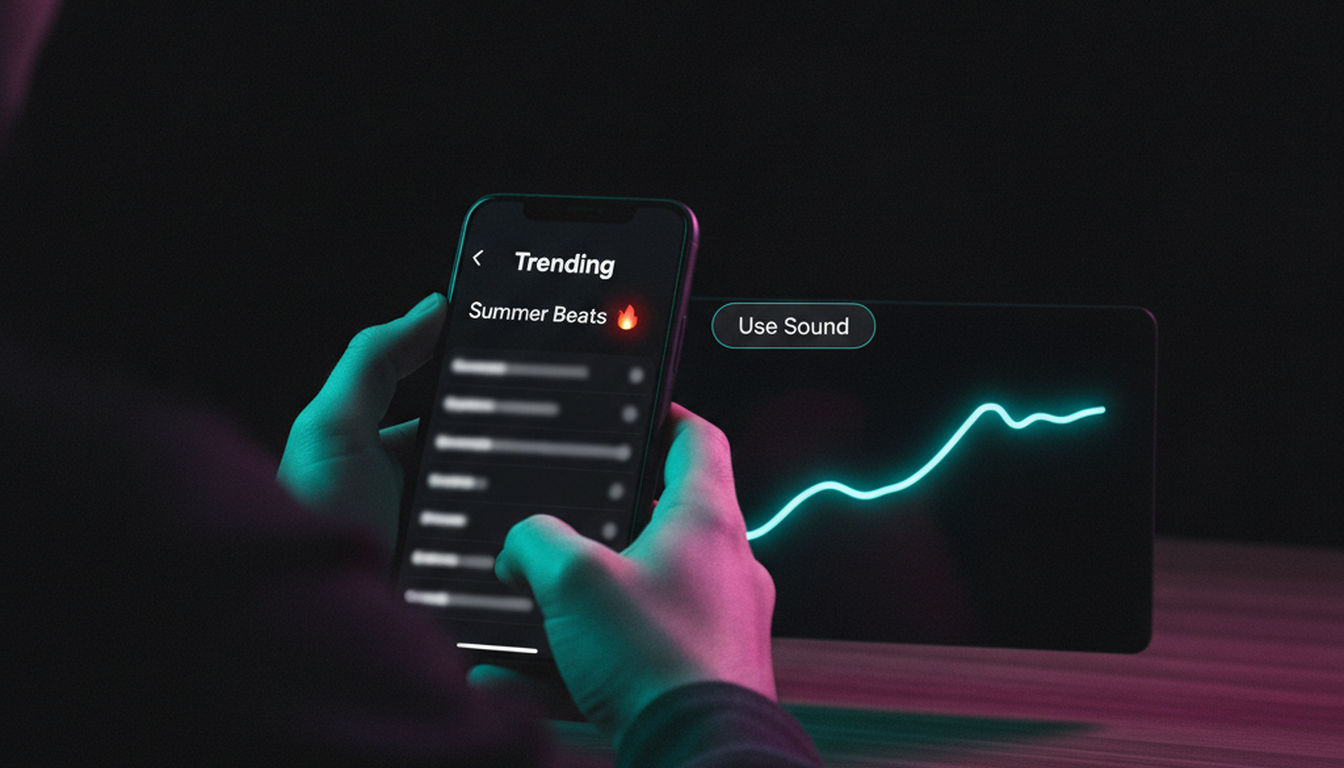
A trend can help your video get on the For You Page and reach people who have not seen your account before. This can include formats, topics, memes, and trending sounds. Don’t copy a trend without adding your own idea, and make it fit your niche and audience.
For example, a food creator could use a popular sound to show a quick recipe, while a fitness creator could use the same sound to demonstrate a short workout. Give viewers a useful tip along with the trend. Then compare the video’s views, watch time, and profile visits with your usual posts to see whether it reached the right people.
4. Use Relevant Search Terms

Think about what someone would type to find your video. If you’re explaining camera settings, “camera tips” might be too broad. A phrase like “camera settings for indoor videos” tells viewers exactly what you’ll cover.
Use that wording where it belongs—in your explanation, on-screen title, or caption. You don’t need to repeat it in every sentence. This is a practical part of TikTok SEO: describe the topic clearly, then answer the question. For the camera example, show the settings you changed and the difference they made. Give viewers a useful reason to keep watching.
5. Stay Consistent with the Various Content Formats
Posting regularly gives you more chances to learn what works. It also helps you test different content types. Try tutorials, stories, answers, reviews, reactions, BTS (behind the scenes) clips, and short tips.
Look at what gets high engagement and what brings more viewers. Then make more content around those patterns. Based on the research, videos still produced far more views and interactions than carousels or regular posts in the dataset. For example, Gloria Mariwa mixes football freestyling, drills, tutorials, and reviews, so she can test different formats while staying focused on football.
@14thgunner Is this the beginning of Nigeria’s downfall? #wafcon #superfalcons #womensfootball #sportsontiktok #banyanabanyana
6. Study Traffic Sources and Retention with Analytics
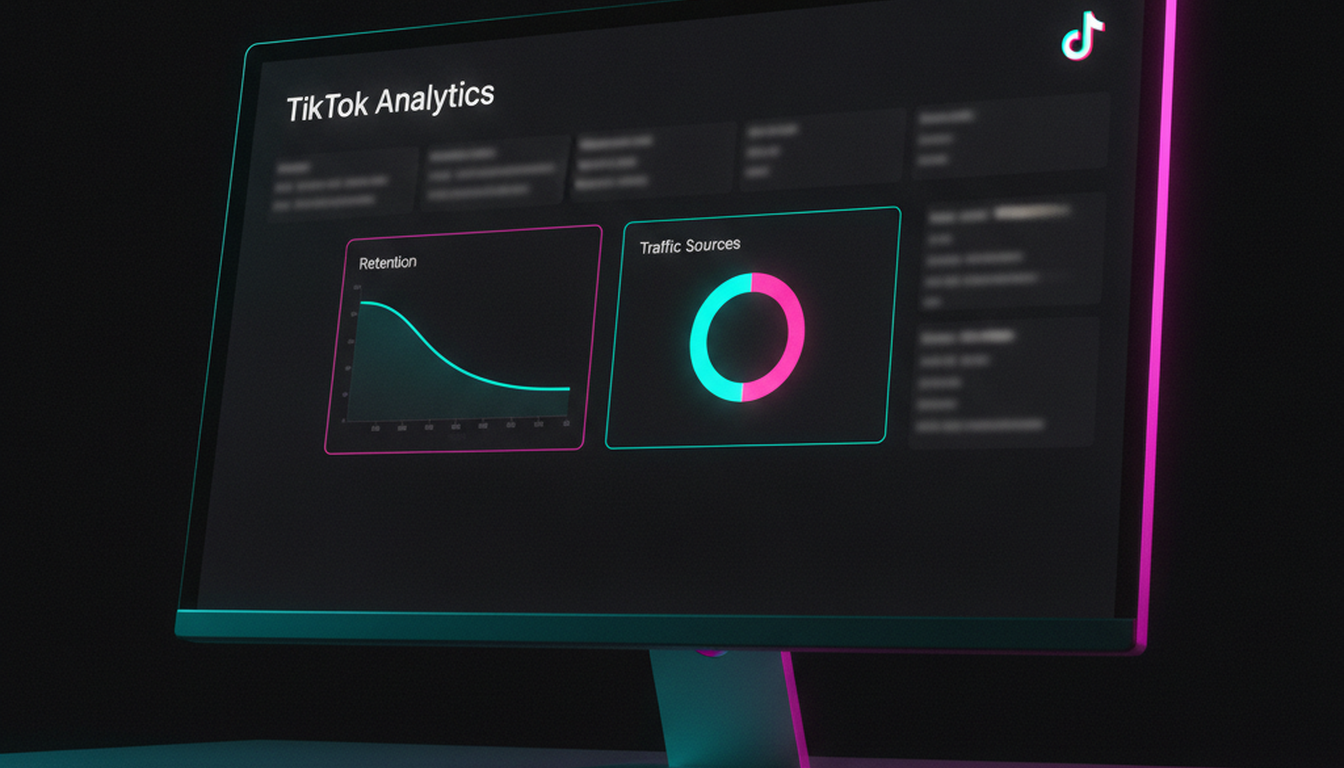
Before changing your content, check where your views come from and when people stop watching. Search traffic may suggest that a video answers a question people are looking up. If viewers leave before you explain the main point, try moving that information closer to the start.
Compare posts that cover similar topics. A tutorial might get fewer views than a funny clip but bring more profile visits or new followers. That makes it worth revisiting. Use your TikTok analytics to decide what to repeat, what to shorten, and which topics deserve another video.
Common Mistakes When Measuring the Ratio
Many creators make simple mistakes such as:
- Dividing followers by views instead of views by followers: The correct formula is views divided by followers, then multiplied by 100.
- Counting views as followers who watched: A 20% ratio doesn’t mean 20% of your followers saw the video. Views can come from non-followers and repeat watches.
- Using one post to judge your account: A viral hit or a quiet upload can give you an incomplete picture. Compare several recent videos.
- Including promoted posts in the organic baseline: Paid views can make your content perform better, so the organic baseline looks stronger than it is.
- Confusing view-to-follower with overall engagement rate: Views measure reach while likes, comments, shares, and saves measure interactions.
In short, don’t focus only on vanity metrics. You need to understand the whole story to make informed decisions for your TikTok growth.
FAQs
How many TikTok videos should I use to calculate the ratio?
Start with 10 recent TikTok videos. Measure each over the same number of days so older posts don’t have extra time to collect views.
Should I use average or median TikTok views?
Use the median to assess your typical results. One viral video can raise the average well above what most of your posts receive.
Is view-to-follower ratio the same as engagement rate?
No. View-to-follower ratio compares views with followers. Engagement rate measures actions such as likes, comments, shares, and saves against views or follower count.
Why is my TikTok view-to-follower ratio decreasing?
Your ratio can fall when your follower count grows faster than views, your reach drops, or your recent content gets weaker engagement.