Summarize This Article with AI


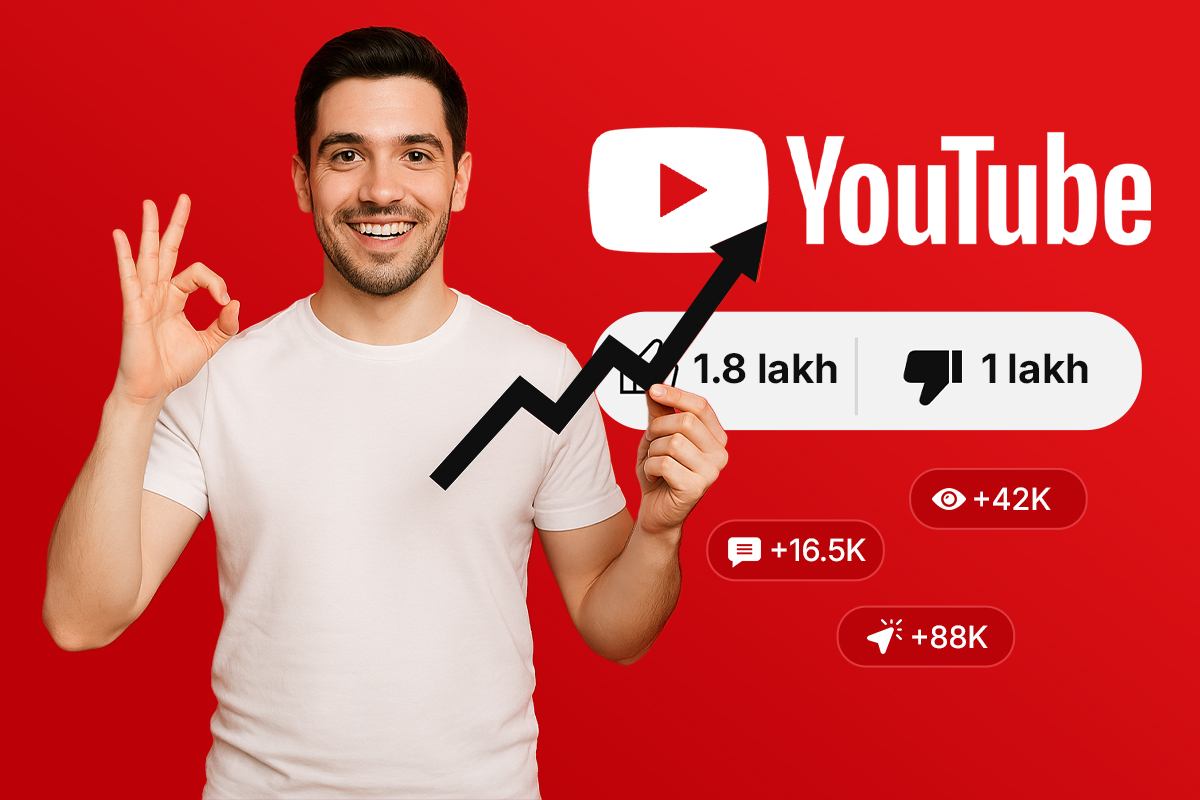
That little thumbs-down button can evoke strong emotions. Many creators often wonder, Do dislikes matter on YouTube, or are they just harmless clicks? On the world’s largest video-sharing platform, YouTube dislikes are usually perceived as a form of rejection. But the truth is more interesting than you might think.
In this article, we’ll explore how dislikes affect rankings, whether they hinder growth, and what kind of feedback they really provide. We’ll also discuss their relevance now that YouTube has hidden public dislike counts.
By the end, you’ll know how to manage dislikes without losing sleep and how to leverage them to improve your channel and connect better with your viewers.
What Happens When a Video Gets Disliked?
When someone clicks the dislike button on YouTube, it is counted as an engagement metric, just like likes or comments. However, YouTube creators cannot see who disliked their video; they can only view the total number of dislikes.
In 2021, YouTube decided to hide public dislike counts to protect creators from harassment. Still, the platform keeps all the data privately, meaning that dislikes are recorded and factored into analytics, but viewers won’t see the total.
For creators, most dislikes don’t directly ruin their video’s chances. They simply contribute to the larger picture that YouTube uses to gauge engagement. In short, a dislike is not the end of the world—it’s just one way the audience interacts with content.
The Psychology of Disliking on YouTube
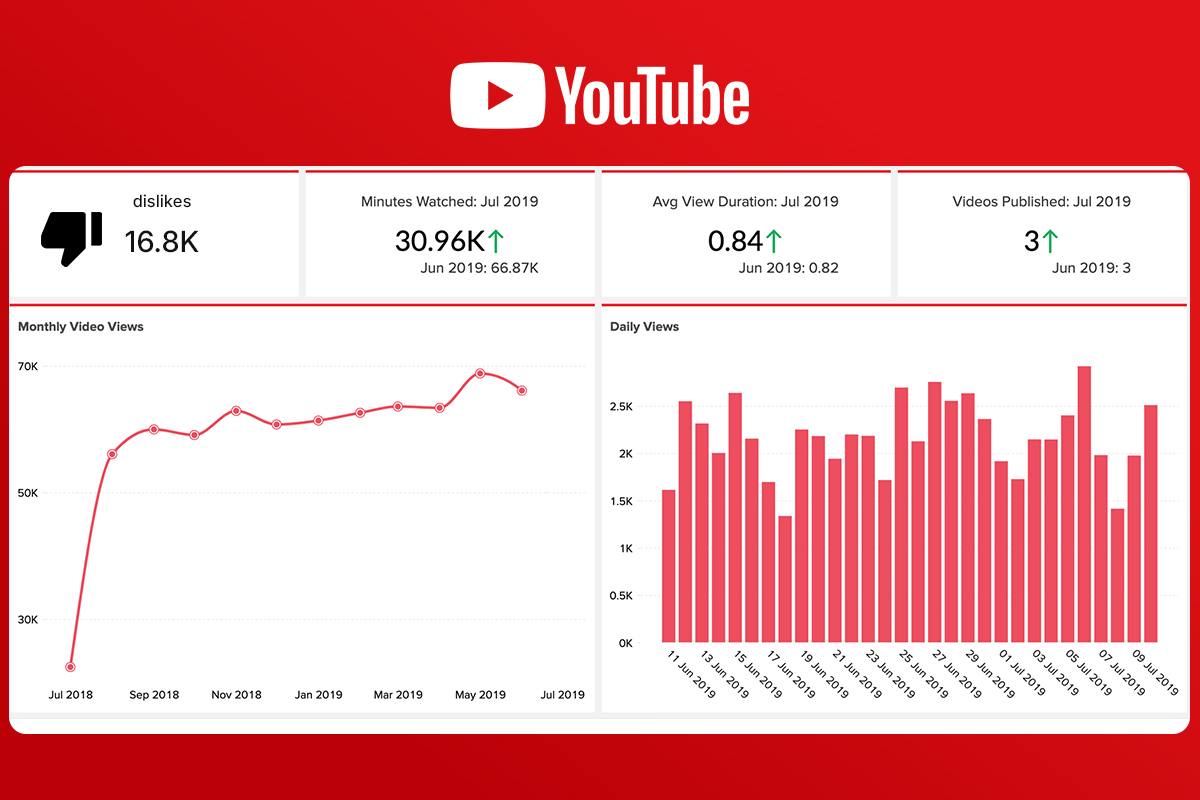
So, why do people click dislike? It often comes down to viewer behavior. Sometimes a video doesn’t meet expectations—maybe the title feels clickbaity, or the content misses the mark. Other times, dislikes occur due to tribal fandoms, where fans of one creator dislike their rivals’ content.
Controversial topics can also split opinions, leading to polarized reactions. However, it’s important to note that a dislike doesn’t always mean “bad content.” Many popular creators accumulate dislikes simply because their YouTube videos spark debate.
From the creator’s perspective, receiving dislikes can sting, but they often remind themselves that it still means someone watched and engaged with the content. So, while dislikes may feel negative at first, they can actually indicate that the content sparked strong feelings, which is a form of constructive feedback.
How Dislikes Impact Algorithm, Visibility, and Channel Growth
Many creators worry that dislikes will jeopardize their success, but the truth is more nuanced. The YouTube algorithm doesn’t focus solely on likes or dislikes. Instead, it primarily values watch time, click-through rate, and audience retention. Therefore, a dislike by itself won’t bury a video. In fact, dislikes are still a type of YouTube engagement, and higher engagement can sometimes boost visibility.
This means a video with strong reactions (both positive and negative) might still get pushed into recommendations. For channel growth, creators should concentrate on keeping viewers watching, clicking, and returning for more. Dislikes are part of the game, but they don’t weigh as heavily as how long people watch or how often they return.
Dislikes as Feedback: Quick Reactions vs. Meaningful Comments
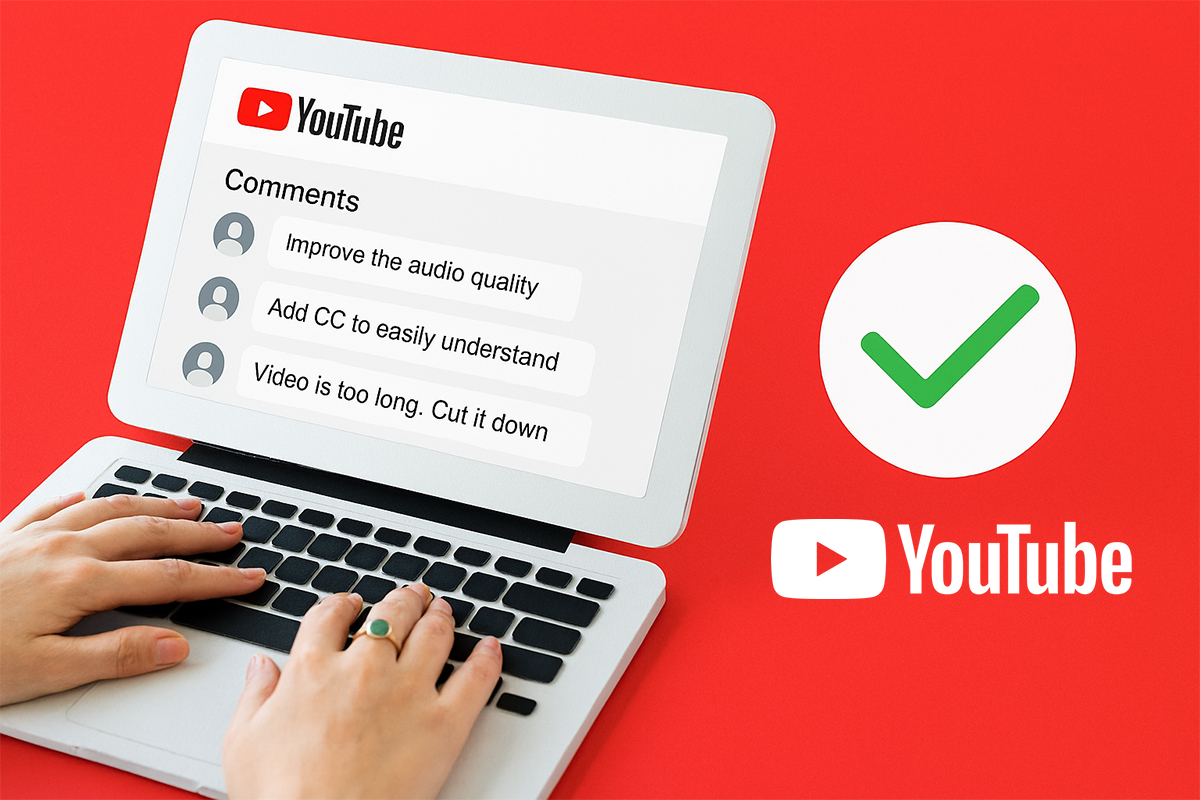
When considering dislikes, it’s important to view them as quick reactions, while comments offer deeper insights. A dislike only indicates that someone didn’t like the video, but comments explain why. Both are valuable engagement metrics, but comments often carry more weight because they reveal thoughts, ideas, or suggestions.
For example, if many people dislike a tutorial, check the comments to see if they mention poor audio or missing steps. That feedback helps you address real issues. Creators should track both metrics but prioritize comments for growth. Over time, focusing on these insights allows you to build stronger connections with your audience and create content that better meets their expectations.
Considering Dislikes as Part of Your Content Strategy
On YouTube, dislikes don’t have to be negative. They still count as activity and can play a role in your overall strategy. Every reaction (like or dislike) signals to YouTube that your content is generating attention. This can actually support long-term success because the platform values user interaction.
The opportunity lies in using dislikes as a strategic resource. When balanced with likes and comments, they highlight audience interest and encourage better content planning. Some creators who want to shape visibility in unique ways, some even buy YouTube dislikes to test reactions and spark discussions. Media Mister offers this option, making it easier to explore audience behavior while boosting visibility. When used wisely, dislikes can become part of your growth journey rather than merely a setback.
The Bottom Line on YouTube Dislikes
Let’s wrap up the debate on do dislikes matter on YouTube. The short answer is no, not in the way most people think.
YouTube dislikes don’t directly hurt your video’s reach or search engine rankings. Instead, they serve as feedback that helps creators understand what viewers enjoy or don’t enjoy. The real focus should be on getting likes, comments, and watch time, as those are the signals YouTube values most.
So, don’t stress over the thumbs-down button. Use it as an opportunity to learn, improve, and create content that resonates with your audience, because that’s how real growth happens on YouTube!