
Summarize This Article with AI


Music is one of the most important parts of TikTok. It sets the mood for your content and helps you follow trends. Picking the right sound can improve engagement with your audience. Adding music to your TikTok video is simple, but choosing the right audio matters a lot. Adjusting it correctly makes your post feel professionally done.
This guide will show you how to add music to TikTok. You will learn how to manage volume and timing. You will understand how to choose sounds that help your content perform better and avoid common issues.
Step-by-Step Guide: How to Add Music to a TikTok Post/Video
Step 1: Open TikTok and Tap the “+” Button
Open the TikTok app on your device. Look at the bottom of your screen and tap the “+” button to create new content.
Step 2: Tap “Add Sound” at the Top
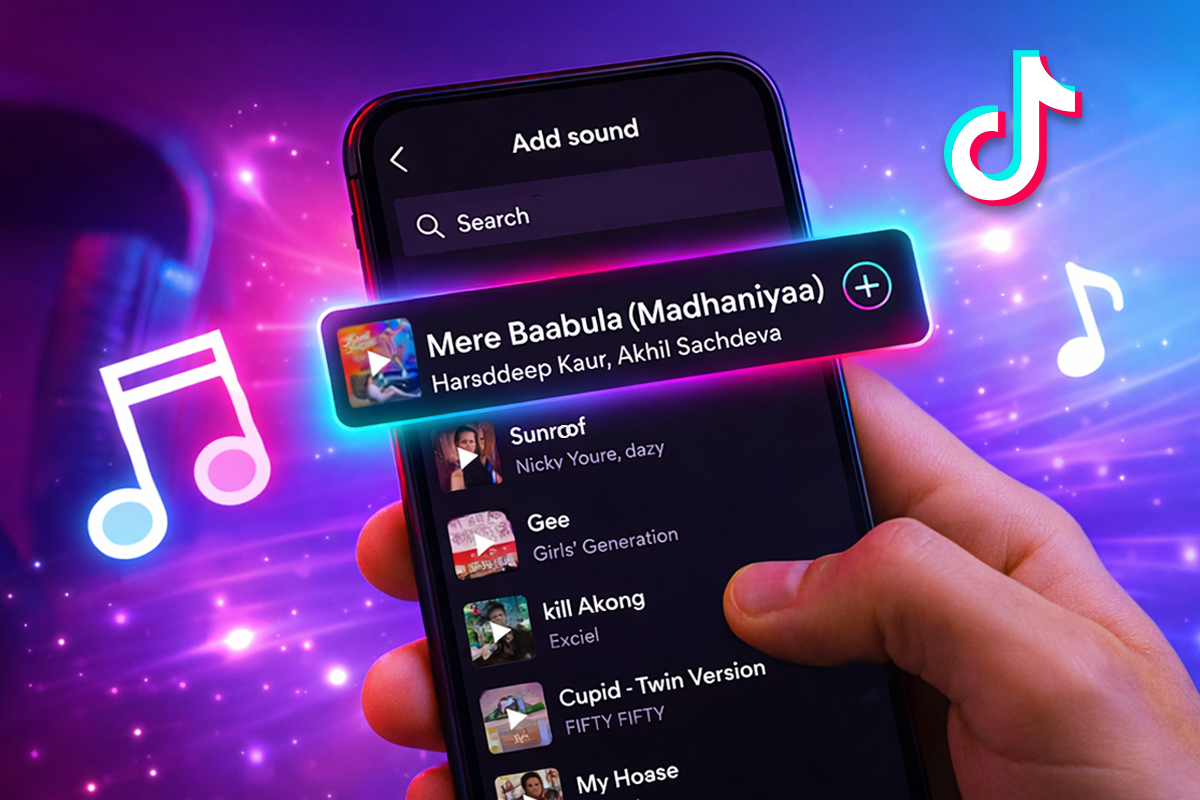
You will see “Add Sound” at the top of the screen. Tap it to open the music library, where you can find songs for your video.

Step 3: Search or Browse for Music
Use the search bar to find a specific song. You can type the name of any track you want. You can also browse playlists and trending sounds to find the perfect choice for your content.
Step 4: Preview and Select the Sound
Tap on any song to listen to it first. Make sure it fits your video. When you find the right one, select it and follow the prompts.

Step 5: Record Your Video with the Sound
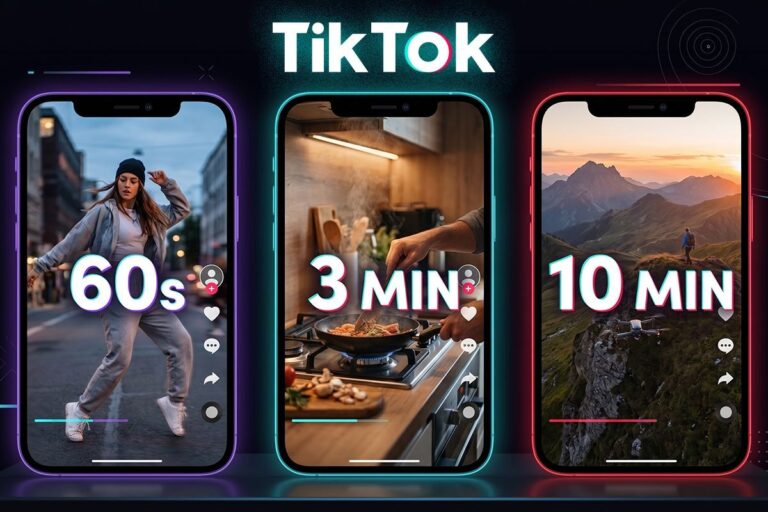
Hit the red record button to create your video. The music will play while you record. Keep in mind that clips can be as long as you need.
Step 6: Adjust Music Volume and Audio Settings
After recording, tap “Volume” on the right side. Move the slider to change how loud the music is. Balance it with your voice or other sounds in settings.

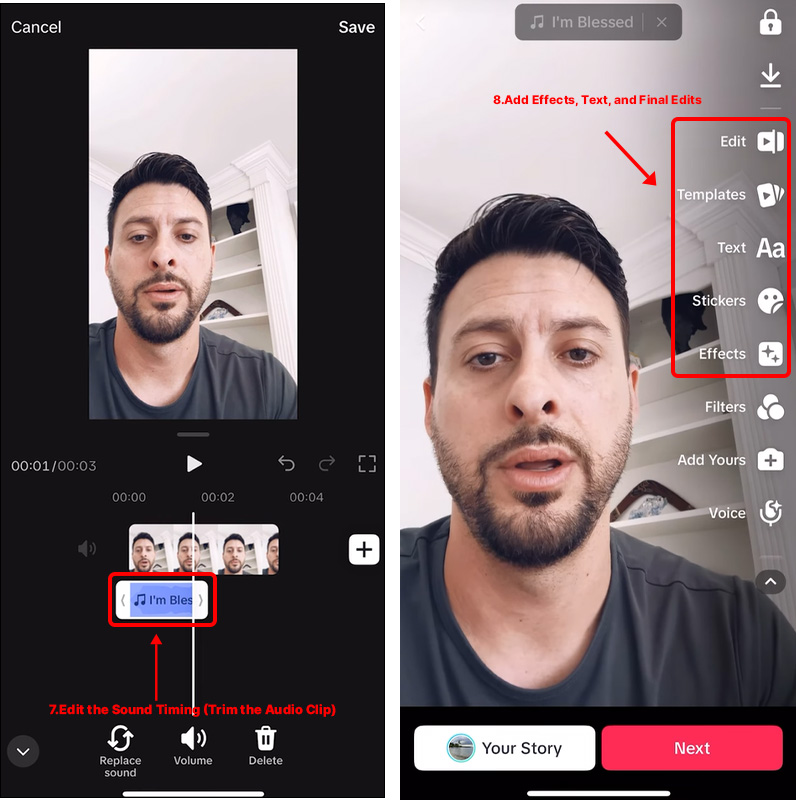
Step 7: Edit the Sound Timing (Trim the Audio Clip)
Tap “Edit sound” to trim the audio clip. Choose which part of the song plays in your video by dragging the edges to select the best sections and adjust the timing easily.
Step 8: Add Effects, Text, and Final Edits
Add text, stickers, or effects to your post. Make it look professional and easy to understand. Edit until you accept the final result.
Step 9: Post the TikTok Video
Tap “Next” when you finish editing. Write a caption and choose your cover frame. Hit “Post” to publish your video to the world.
How to Add Your Own Music to a TikTok Post/Video
- You can easily upload your own music to TikTok. First, save your song to your device. You can download music from YouTube, Spotify, or other sources before uploading.
- Open the app and tap the “+”. Select “Upload” instead of recording live. Choose the video you want to use.
- You can add audio from your device here – note that TikTok may check for copyright. This lets you create unique content. Use music from YouTube, Spotify downloads, or your own recordings.
- Wait for the upload to finish, then continue to publish. This process is quick and gives you full creative control.
How to Add a Voiceover to TikTok Posts
- Access the Voiceover Feature: After filming your video, tap ‘Next’ to reach the edit screen. Look for the ‘Voiceover’ option, usually represented by a microphone icon.
- Record Your Narration: Tap the microphone icon to begin recording your voiceover. You can select specific sections of your clip to narrate and adjust the timeline as needed.
- Adjust Audio Levels: Use the volume controls to balance your voiceover with any background music or original audio in your video.
- Preview and Publish: Play back your video to ensure the voiceover sounds clear and is properly timed, then publish your finished content.
Expert Tips for Adding Music to TikTok Videos
Avoid Copyright Issues with Music
Using copyrighted or restricted audio can lead to problems. Videos may be muted, limited, or removed depending on licensing rules, which can reduce your reach and hurt performance.
Use TikTok’s built-in sound library whenever possible. If you edit with external tools, use a copyright-check feature like CapCut’s tool. You can also choose royalty-free audio to easily avoid issues.
Music Volume for Clearer Videos
Getting the volume balance right is essential for good videos. Viewers tend to leave quickly if they can’t hear speech clearly. Music that overpowers the original sound is frustrating.
Reduce the music volume when voiceovers or dialogue are important. Increase the volume only when the video is primarily visual or beat-driven. Preview the final mix using both headphones and phone speakers to ensure clarity.
Trim Music to Fit Your Video Perfectly
The selected audio segment should fit your video’s timing. Choose the strongest part of the track—typically the hook, chorus, or beat drop. Trim it so it matches key moments like reveals or transitions, and avoid awkward cut-offs.
Align Audio with Emotion and Vibe
The best-performing TikToks synchronize the audio mood with the emotion conveyed. Choose upbeat tracks for exciting clips, softer audio for calming content, and suspenseful sounds for tension. The goal is to enhance the intended feeling within the first few seconds.
5 Tips for Choosing the Best Music for TikTok
1. Create a Mood for the Video
Music should set an immediate emotional tone—happy, tense, dramatic, or cozy. Select tracks that deliberately shift the vibe. For example, use creepy music to turn a normal scene sinister.
Match the beat and energy to the emotion being portrayed. This choice helps viewers connect with your message instantly.
2. Enhance Storytelling on TikTok

Music acts like an extra layer of narration. Choose audio that strengthens your message or adds contrast for comedy. Use old-timey organ music to make ordinary clips feel exaggerated. The right music helps viewers “get it” faster. It guides them through your story without long explanations.
3. Set the Scene Immediately
Certain sounds instantly evoke a location. Music can transport viewers without extra explanation. Choose tracks that fit the environment—beachy tunes for tropical scenes or Parisian jazz to suggest France. Pairing the setting and sound early helps viewers understand quickly, keeping them engaged instead of scrolling away.
4. Build a Signature Style
Repeating a recognizable “music identity” helps create a personal brand. Pick a consistent genre or vibe that matches your tone. For example, use light jazz for a playful feel or any style that suits your content. Consistency makes viewers remember you. They begin to recognize your style and return for more.
5. Join Trends to Get Discovered

Trending sounds boost discovery because TikTok groups videos using the same audio. Use trending music in a way that fits your niche. Join trends early to increase reach.
Don’t copy—add your unique twist to stand out. This works on desktop, or any platform you connect with. Track what’s popular around September and other months to stay current.
💡 Pro Tip: Give trending content a stronger push. Using popular sounds can help your videos get discovered, but early visibility can also influence how far your content travels. You can buy views for TikTok videos to increase initial exposure and help your videos gain more attention while you participate in trending audio.
Frequently Asked Questions
1. Can I use copyrighted music?
Avoid copyrighted music that isn’t in TikTok’s library. Using restricted songs can get your video muted or removed. Don’t worry—stick to sounds in the music app to stay safe.
2. How do I add my own music to TikTok?
First, save your song to your device. Tap “Upload” in the app and select your video. Then choose audio from your phone to learn how to add your own music.
3. Why are some songs missing?
Some songs may be removed due to licensing issues. Availability can change based on location. Search for similar tracks or find trending sounds instead.
4. Can I add music to drafts?
Yes, you can change the music in saved drafts. Open your draft, tap “Edit,” then select “Add Sound” to remove the old track and choose a new one.
5. Does music affect my TikTok video views?
Yes, music affects performance. Trending sounds help with discovery. Good audio keeps viewers watching longer, which boosts your video. Sign up for a TikTok account if you haven’t yet to get started.










Practical walkthrough for adding music to a TikTok. The other way around is useful too: when a clip already has a song and you need the title, SongFromVideo can identify it from the video if the music is clearly audible.