Summarize This Article with AI


TikTok is now a global platform for brands, boasting over 1.5 billion users worldwide. It offers businesses a tremendous opportunity to connect with customers. What’s surprising is that only about 26% of marketers are using TikTok for growth right now. That means there’s still plenty of space for smart businesses to step in and grab attention before the crowd gets too busy.
Let’s tell you how to use TikTok for Business in a simple way. In this guide, you will learn everything from setting up a business account to building a strong TikTok marketing strategy. By the end, you’ll also know how to create videos that reach more people and help your brand grow.
Why Do You Need a Business Account on TikTok?
Using a creator account for business can backfire. It may violate TikTok’s terms of service, block access to TikTok business features like ads, analytics, collaborations, and Business Center tools.
Constantly switching accounts is risky and can be cumbersome. Choosing a TikTok business account from the start ensures your tools and insights remain consistent, making growth simpler and safer.
How to Set Up Your Business Account on TikTok
- Next, go to Profile Settings by tapping the profile icon at the bottom right, then tap the three-line menu (☰) at the top right corner.
- Now, switch to Business Account: go to Settings and Privacy > Account > Switch to Business Account.
- Choose a category that fits your niche, such as fashion, fitness, education, or services.
- Complete your profile by adding a business name, profile picture/logo, add link to your bio, and website link if you have one.
- Once you’re finished, explore business tools like TikTok analytics, the Commercial Music Library, and advertising options to grow your brand!
How to Use Your TikTok Business: 5 Organic Strategies
Here are some straightforward organic strategies to boost your TikTok business:
1. Understand the TikTok Algorithm

If you want your TikTok business to grow naturally, you first need to understand the TikTok algorithm. It decides what videos appear on users’ For You Page based on things like likes, comments, shares, and watch time. It also looks at content preferences, video information such as captions, hashtags, sounds, and metadata. In fact, device and account settings, including language, locatio,n and device type, matter too!
For example, imagine you own a small bakery. If you post a video showing a step-by-step cake decoration tutorial and people watch the full video, comment, or share, the algorithm will push it to more users who like baking. Knowing your audience means creating content they enjoy, which gets more visibility without paid ads.
2. Create Engaging Content Tailored to Your Audience
To grow organically, mix evergreen content with trending posts. Evergreen content remains relevant over time, such as “how to frost cupcakes perfectly” or “tips for small business owners.” It builds trust and keeps attracting viewers over time. On the other hand, trending content is about jumping on TikTok’s viral challenges, seasonal topics, or viral sounds.
For example, if a TikTok dance is trending, your coffee shop could showcase employees dancing while making drinks. Plan a content calendar that includes both types to stay relevant and entertaining. This approach keeps your content ideas fresh and helps your TikTok business reach your target audience.
3. Optimise for TikTok SEO
TikTok isn’t just a fun app anymore—it’s gradually becoming a search engine. This means that if people can’t find your videos, your business won’t grow. Start by incorporating relevant keywords into your video captions, hashtags on TikTok, and even your profile bio.
For example, if you sell homemade candles, you might use keywords like “scented candles,” “soy candle gift,” or “cozy room decor.” Utilise tools like Answer the Public or SparkToro to discover what your audience is searching for. Maintain a simple spreadsheet to track long-tail and short-tail keywords. This helps you remain consistent across posts and allows for discoverability without keyword stuffing.
4. Posting Consistently at the Right Time

TikTok loves it when you post regularly, and your audience starts expecting your content. Try to post at least one video per day or at least three to four videos per week. Timing matters too because posting during peak activity hours gets you more exposure. Check TikTok Analytics or research insights to see when the audience is usually active.
If it’s mid-week around 4-5 PM then that’s a great time to post. For example, if you run a small coffee shop, you could post a daily “coffee tip” video in the evening when users scroll after work. Additionally, batch your content ahead of time but leave room for trends. However, don’t focus solely on overproduction; ensure the videos are authentic, engaging, and relevant.
5. Analyze and Optimize with TikTok Analytics
Using TikTok analytics is like having a secret map to your audience and content success. It reveals what’s working, what’s not, and where your followers are most active. For instance, a small local bakery noticed their behind-the-scenes video received 10k views while a chocolate croissant clip only reached 2k.
Examine these audience insights and content interactions to adjust your content strategy:
- Video performance metrics: Views, playtime, completion rates.
- Engagement metrics: Likes, comments, shares, profile visits.
- Traffic sources: For You Page, hashtags, trending sounds.
- Follower insights: Growth trends, peak activity times.
- Audience demographics: Age, gender, location.
- Content interactions: Song uses, link clicks, video downloads.
These data insights help you make smarter marketing choices without guessing, and you create content that really resonates.
How to Use Your TikTok Business: 3 Paid Ways
Here are paid ways to use TikTok for business growth:
1. Invest in TikTok Ads
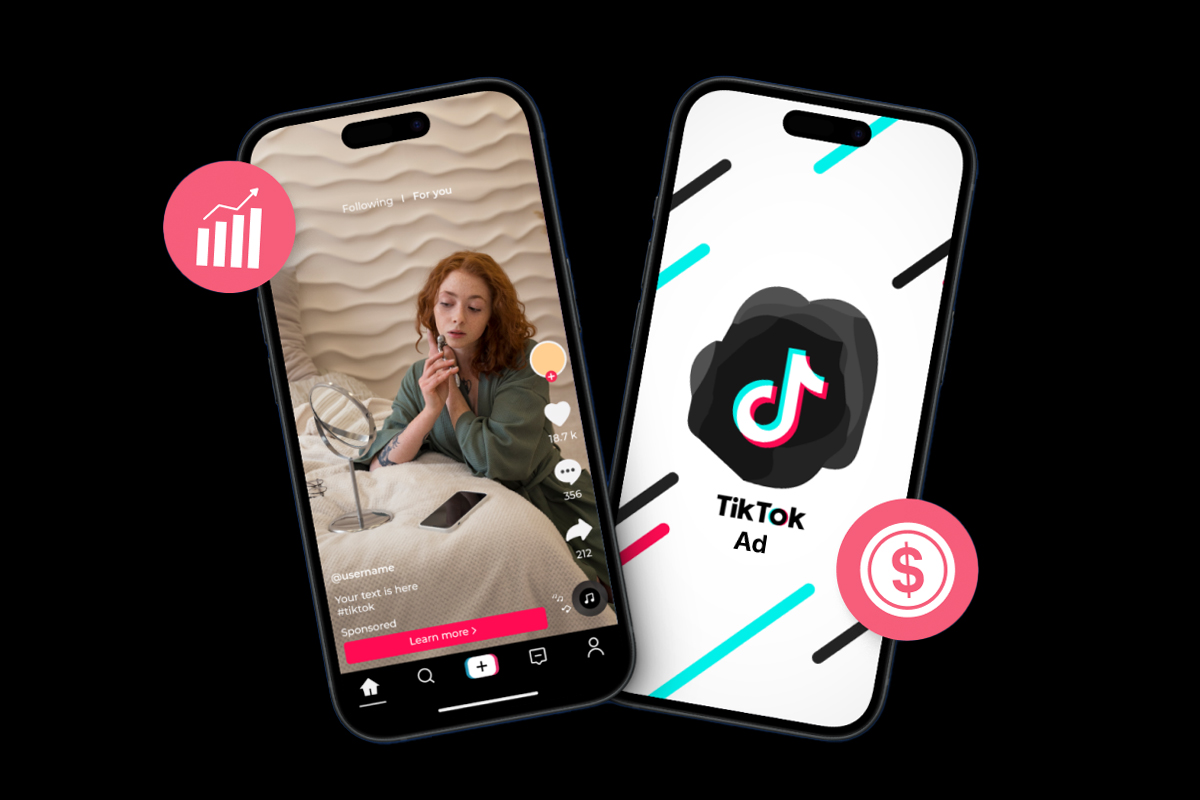
If you want to get your business noticed quickly, TikTok advertising is an effective option. TikTok Ads operate through the TikTok Ads Manager, which consists of three levels: campaign, ad group, and ad. At the campaign level, you select your goal, such as website traffic or video views. In the ad group, you decide who sees your ad, where it appears, and how much to spend—starting at just $20 per group.
Finally, the ad level is where your creative content comes into play. You can try In-Feed ads that seamlessly appear in For You Pages or Top View ads for maximum visibility. Beginners can start by using the “Promote” button on a post that already does well to see how ads work.
Always check results, tweak and try again for better performance. For example, a small coffee shop could promote their latte art video and target local coffee lovers to boost foot traffic.
2. Get Started with TikTok Shop
TikTok Shop allows you to sell products directly on the app, making it ideal for businesses looking to avoid additional websites. You set up your storefront and use TikTok SEO to write product descriptions that people will actually find.
Adding discount codes works well to get first-time buyers, and you can team up with affiliates who promote your products with their own codes for a small commission. For instance, a handmade jewellery store could create a “10% off first purchase” code and ask TikTok creators to show off the necklaces in short clips.
Since TikTok Shop is still growing, it’s smart to watch what’s working, tweak your listings and focus on building trust with buyers. The goal is to make your products easy to find, fun to buy, and shareable.
3. Master TikTok Influencer Marketing
Partnering with creators is a smart way to grow, because their followers already trust them. With TikTok influencer marketing, don’t just pick the biggest account and look for influencers whose audience matches your customers. Their content can also become Spark Ads, letting you boost posts for more people to see.
User-generated content (TikTok UGC) is another win – you can reshare customers’ videos (with permission!) and even give them discount codes to encourage more submissions.
For example, a small sneaker brand could send shoes to a micro influencer who posts a fun unboxing video, then turn that clip into a Spark Ad. This approach builds credibility, social proof and more engagement, all while helping your brand reach new people naturally.
Conclusion
Using TikTok for business doesn’t have to be complicated. By creating fun and engaging content, connecting with your audience, and keeping up with trends, your brand can really stand out. Consistency is more important than perfection.
Utilize TikTok ads, participate in challenges, and showcase the authentic side of your business to build trust. The key is to stay active, watch what works and keep experimenting. With patience and creativity, TikTok can become one of your best tools for growing your business.